10 Essential Embroidery Tools Every Beginner Needs
A friendly beginner's guide covering 10 essential embroidery tools, their practical uses, and helpful tips on building your very first starter kit.
Published: 2026-07-31
10 Essential Tools
Every Beginner Needs
to Start Embroidery
Everything you need to start stitching today!Hello there! Welcome to the studio 😊
Thinking about starting embroidery but not sure which supplies to buy first? You don't need a huge collection right away! With just a few basic tools, you can easily start stitching your very first practice project.
Today, I'll walk you through the 10 must-have tools so you can build your starter kit with confidence without getting overwhelmed.
10 Basic Embroidery Tools at a Glance
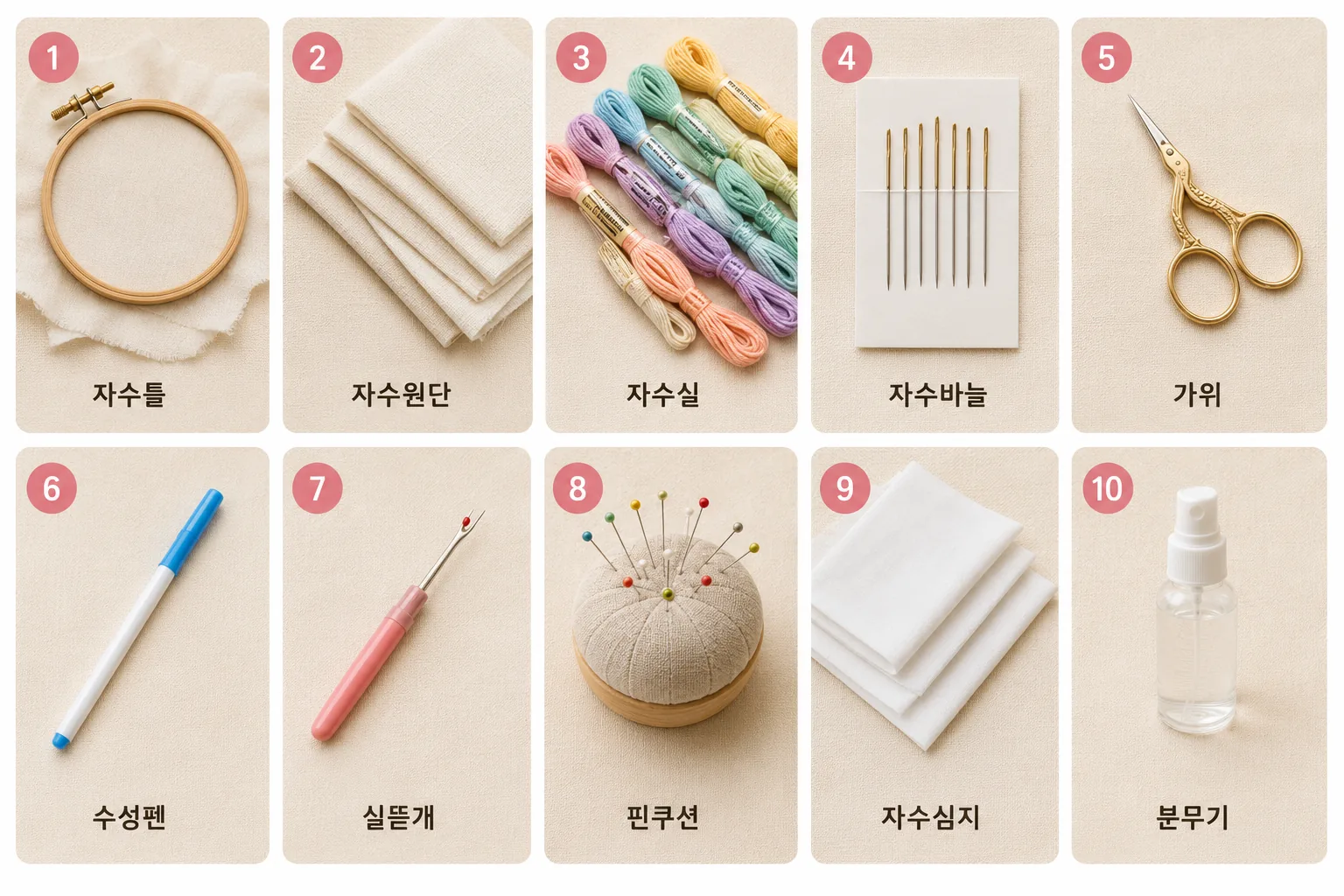
You don't need to buy expensive tools right away. Start with the core basics—a hoop, fabric, thread, needles, and small scissors—and add extra specialty tools as you grow.
🌸 A Closer Look at the 10 Essential Tools
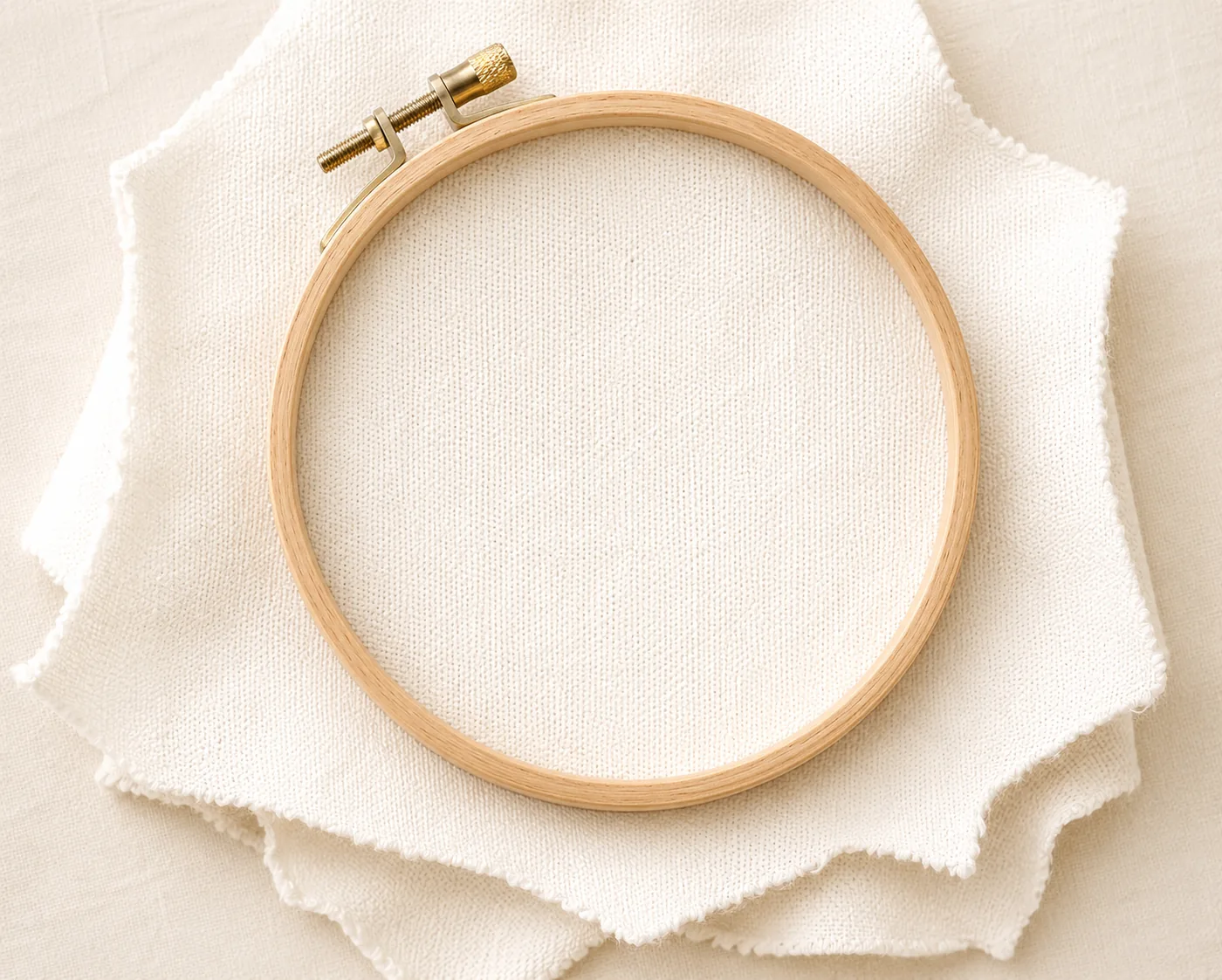
A hoop holds your fabric drum-tight so your stitches stay even and neat. Choosing a size that fits your design area is much easier than working with an oversized hoop.
4–6 in
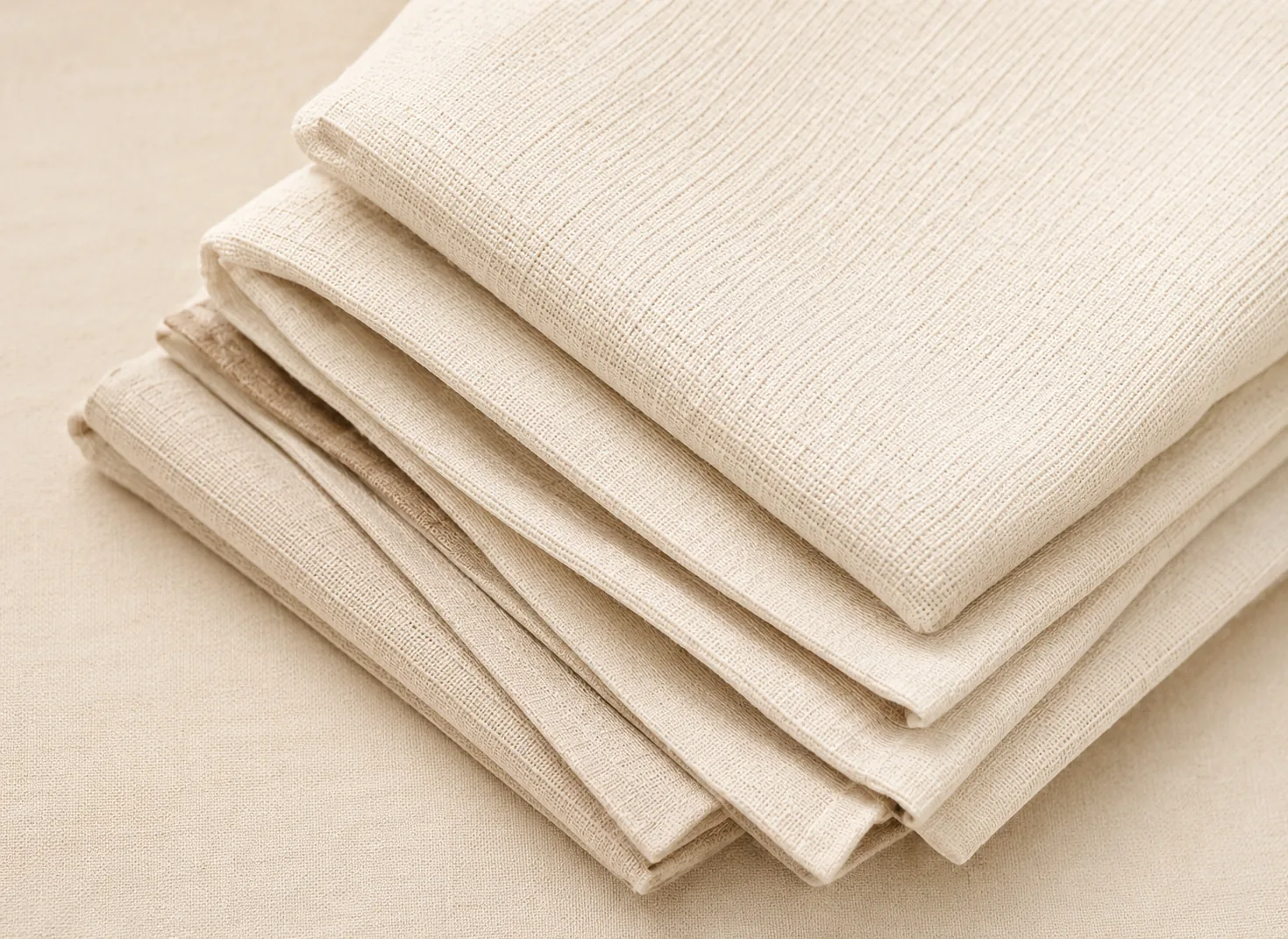
Woven cotton or linen is the easiest choice when you are starting out because the stable structure keeps your stitches neat.
Cotton / Linen
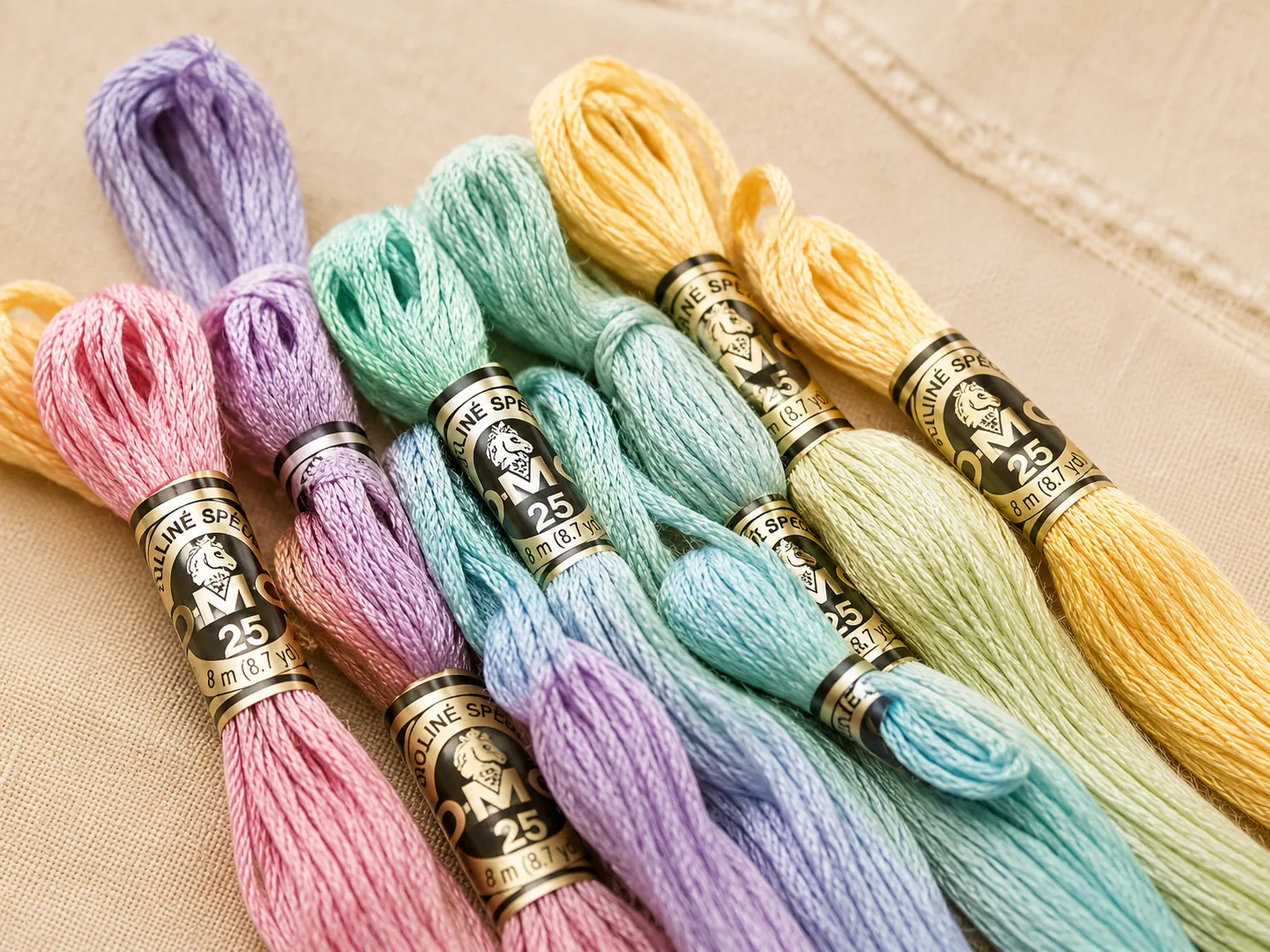
Standard 6-strand stranded cotton thread is most popular for hand embroidery. You can separate the strands to customize stitch thickness.
Stranded Cotton
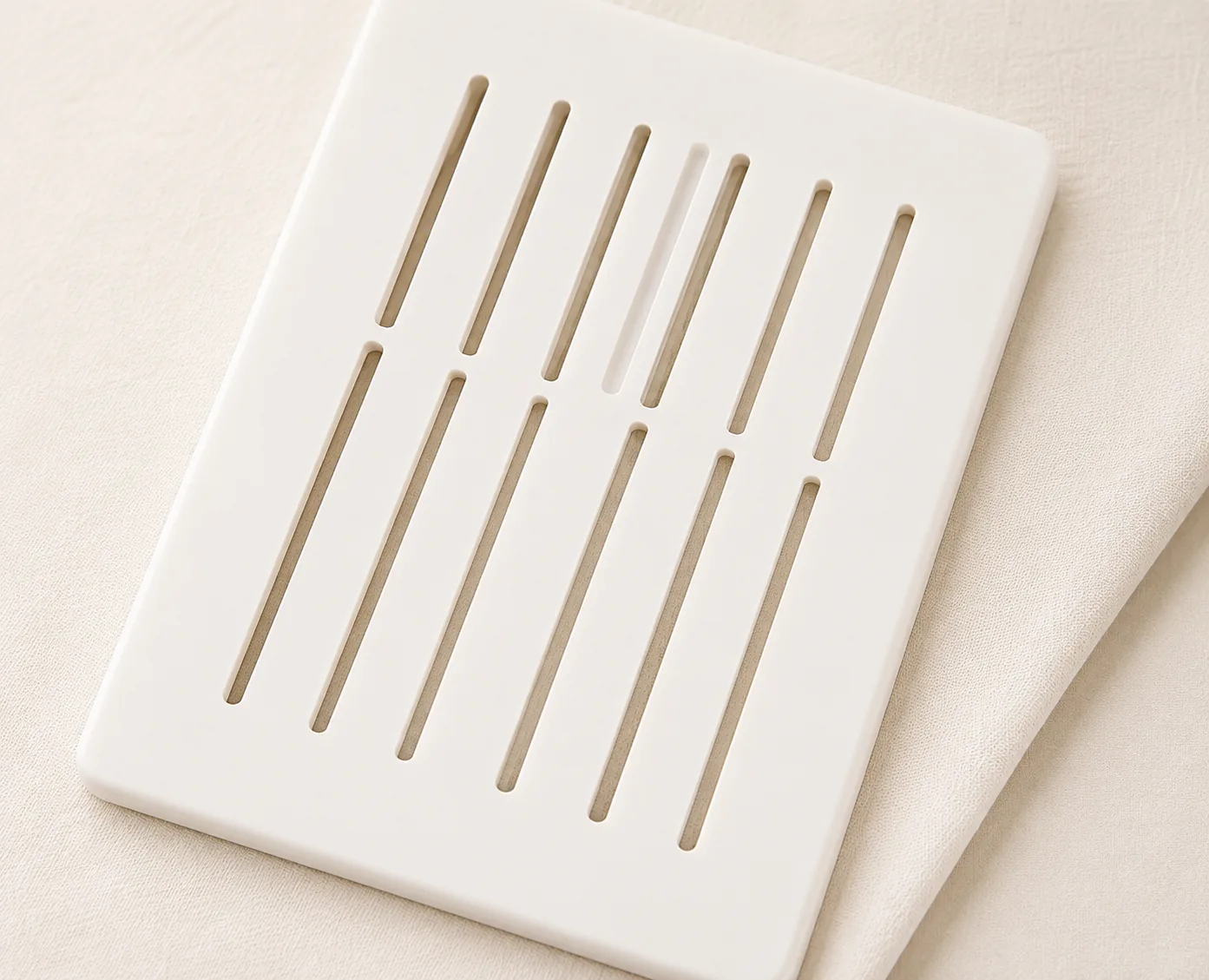
Match your needle size to your fabric thickness and thread count. A mixed-size embroidery needle pack is ideal for beginners.
Assorted Set
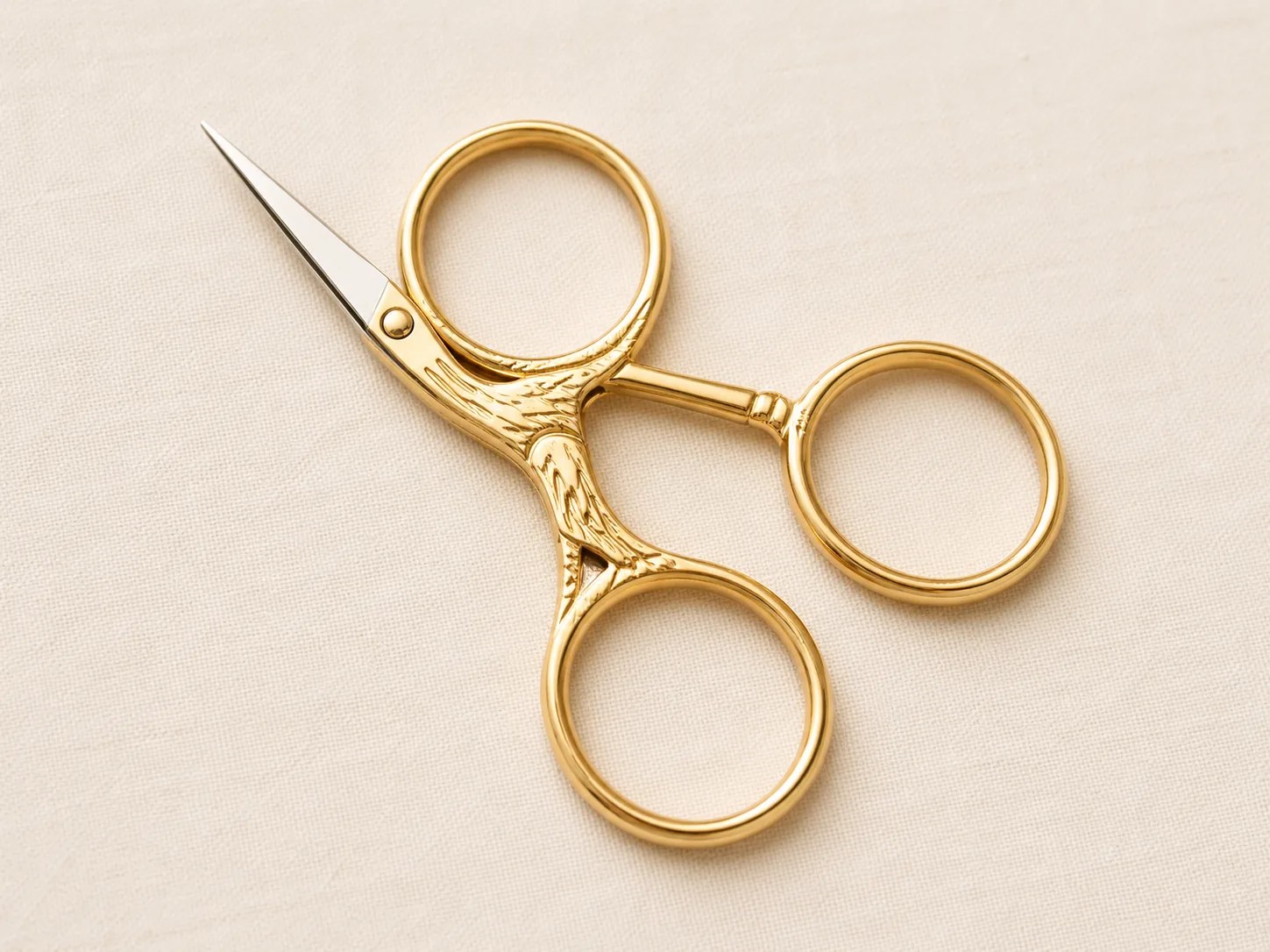
A small pair of sharp, fine-tipped embroidery scissors makes trimming threads clean and accurate.
Detail Scissors
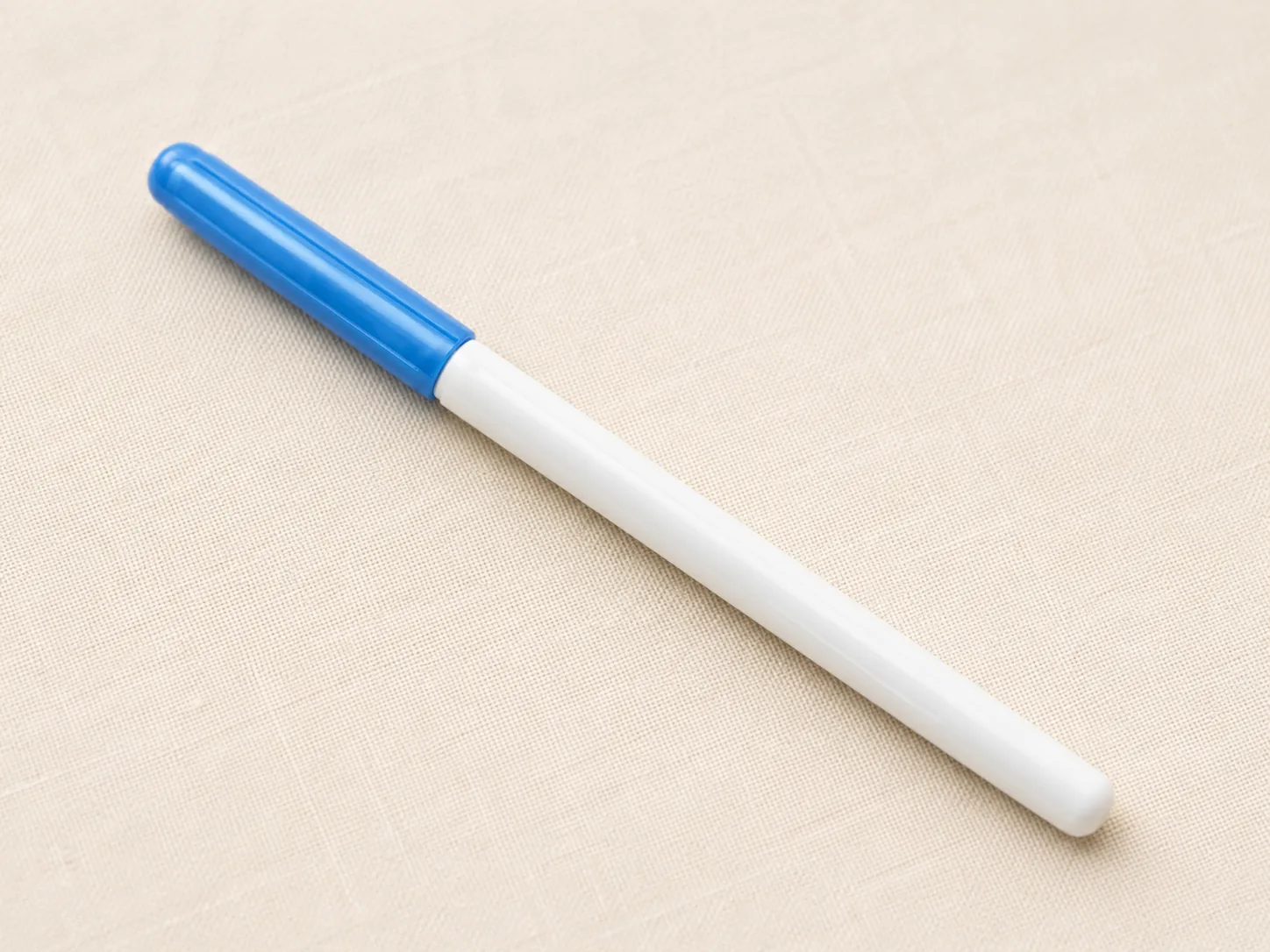
Essential for transferring patterns to fabric. Always test them on a swatch first to ensure they erase completely.
Fabric Markers
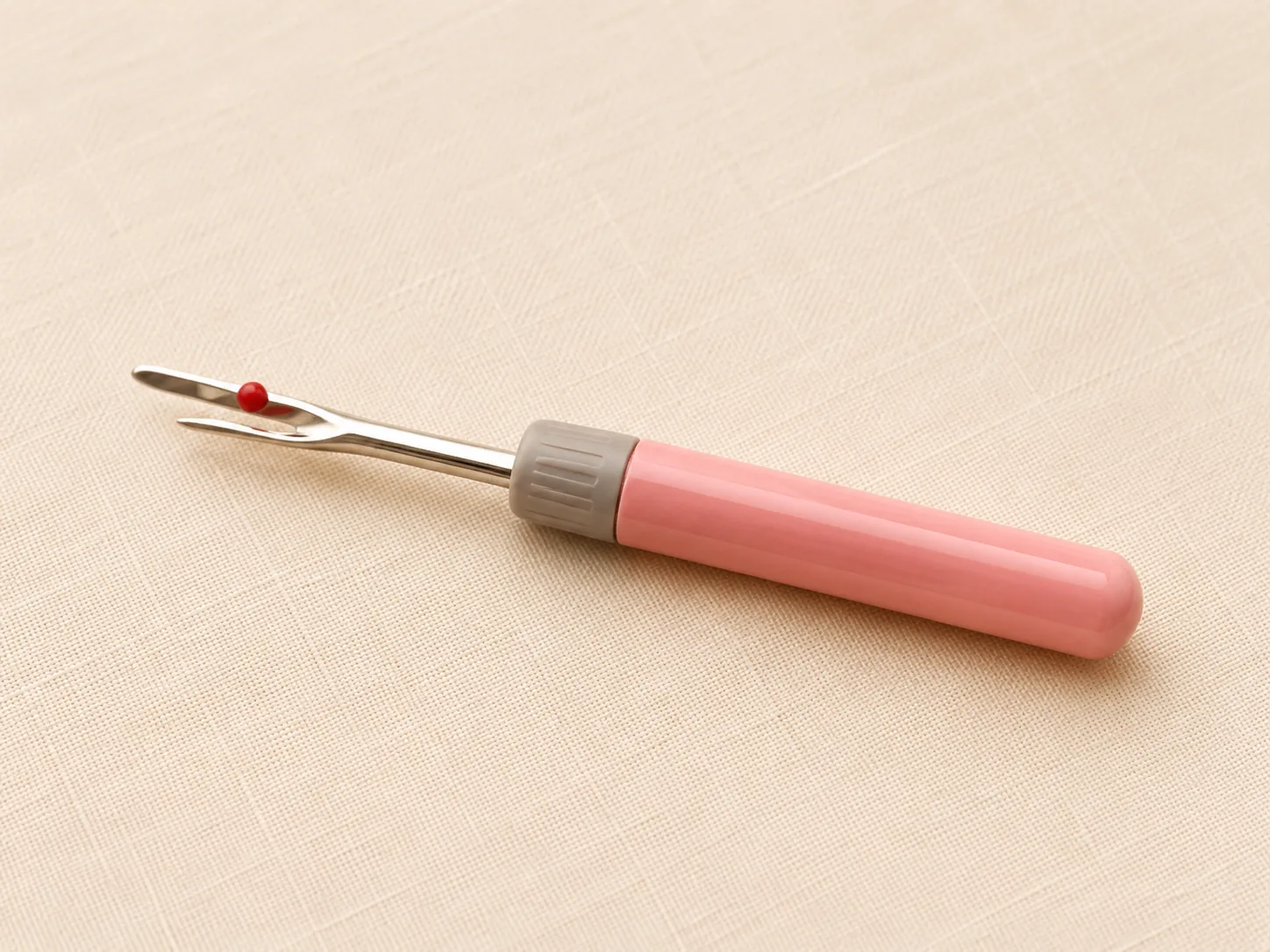
Invaluable for safely removing misplaced stitches without damaging your fabric.
Small Size
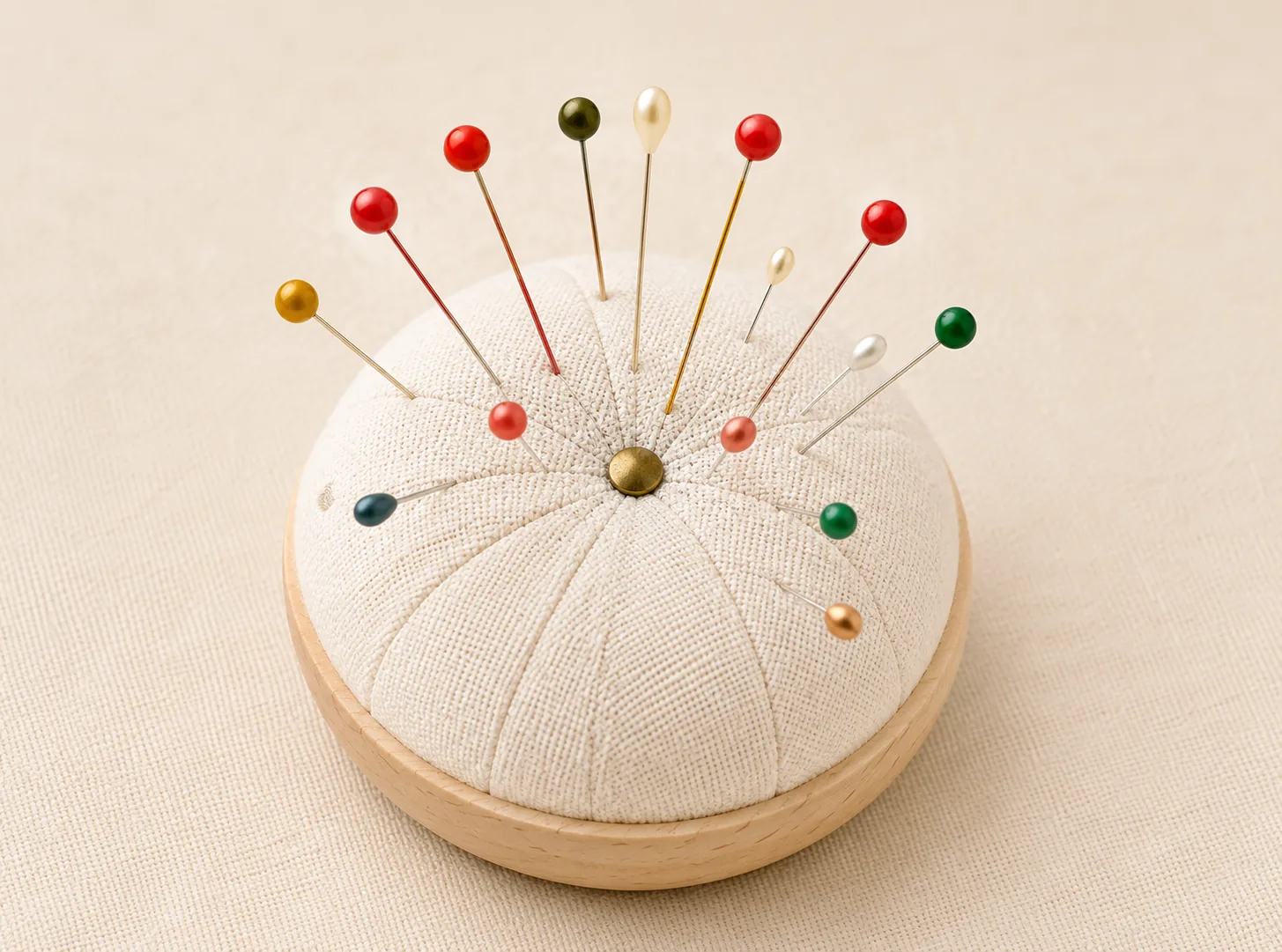
Great for securing pattern transfers and keeping needles safe while you work.
Pin Cushion
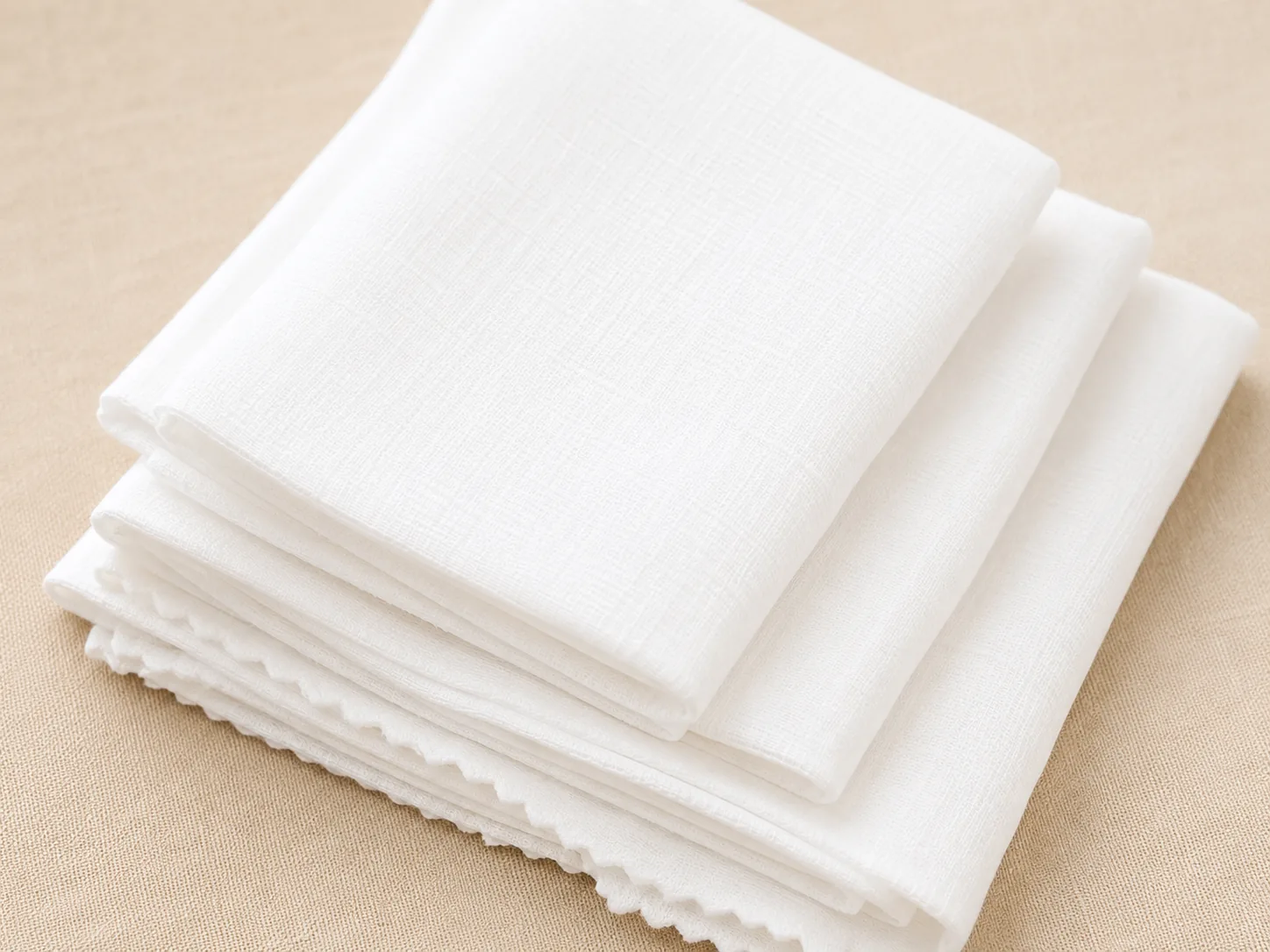
An absolute essential for machine embroidery to keep fabric from puckering or shifting during stitching.
Match Fabric
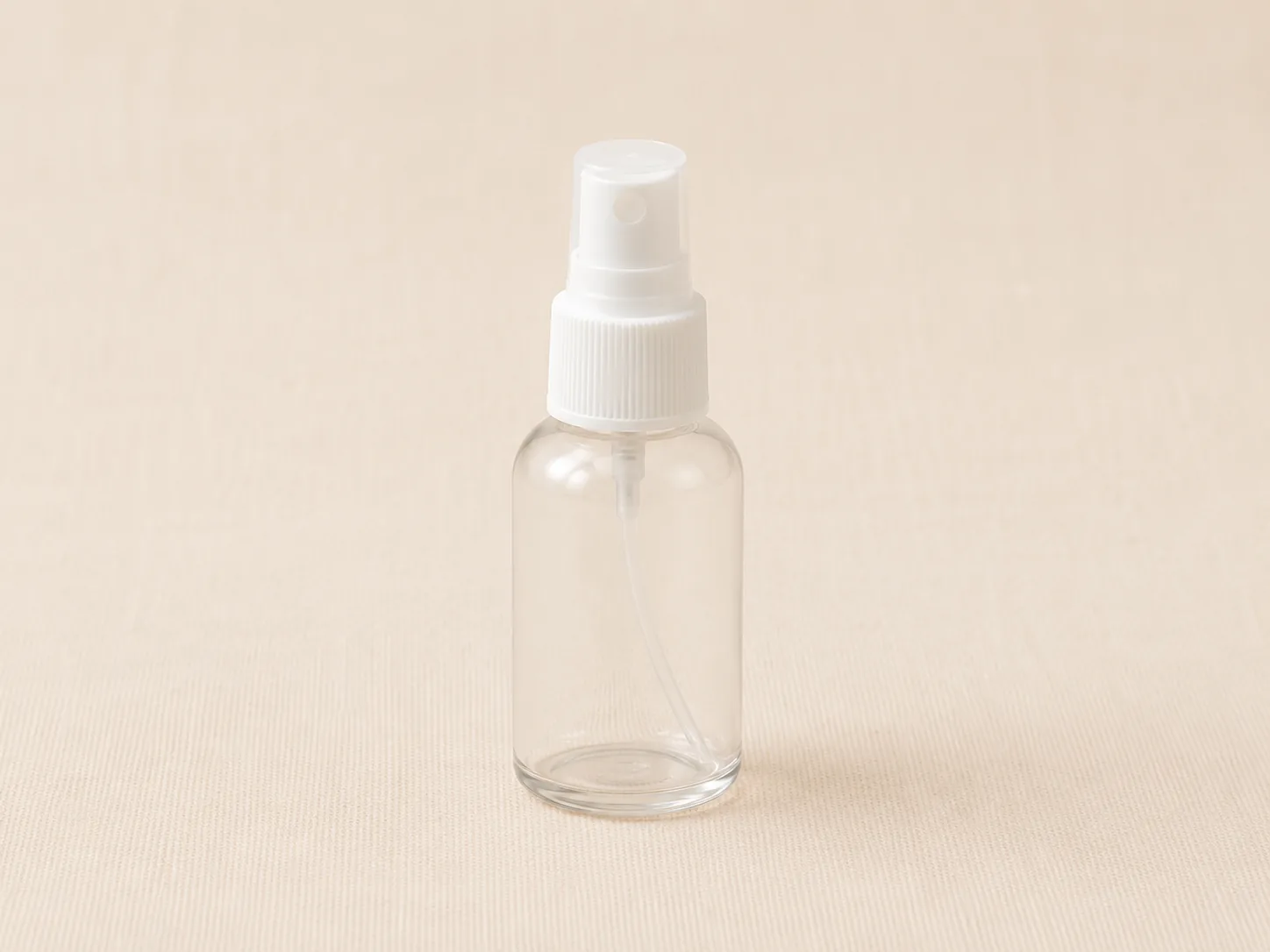
Handy for rinsing away water-soluble marking lines and setting finished pieces cleanly.
Fine Mist
🧵 Hand vs. Machine Embroidery: Tool Differences
Hand embroidery relies on hand needles, stranded cotton, and wooden or plastic hoops, whereas machine embroidery requires machine embroidery thread, bobbin thread, stabilizer, and machine-compatible hoops.
| Item | Hand Embroidery | Machine Embroidery |
|---|---|---|
| Thread | Stranded Cotton, etc. | Machine Embroidery Thread |
| Needle | Hand Embroidery Needles | Machine-Specific Needles |
| Hoop/Frame | Round Embroidery Hoops | Machine Compatible Hoops |
| Stabilizer | Optional / Project-based | Essential for most projects |
🎨 Choosing Your Thread Colors
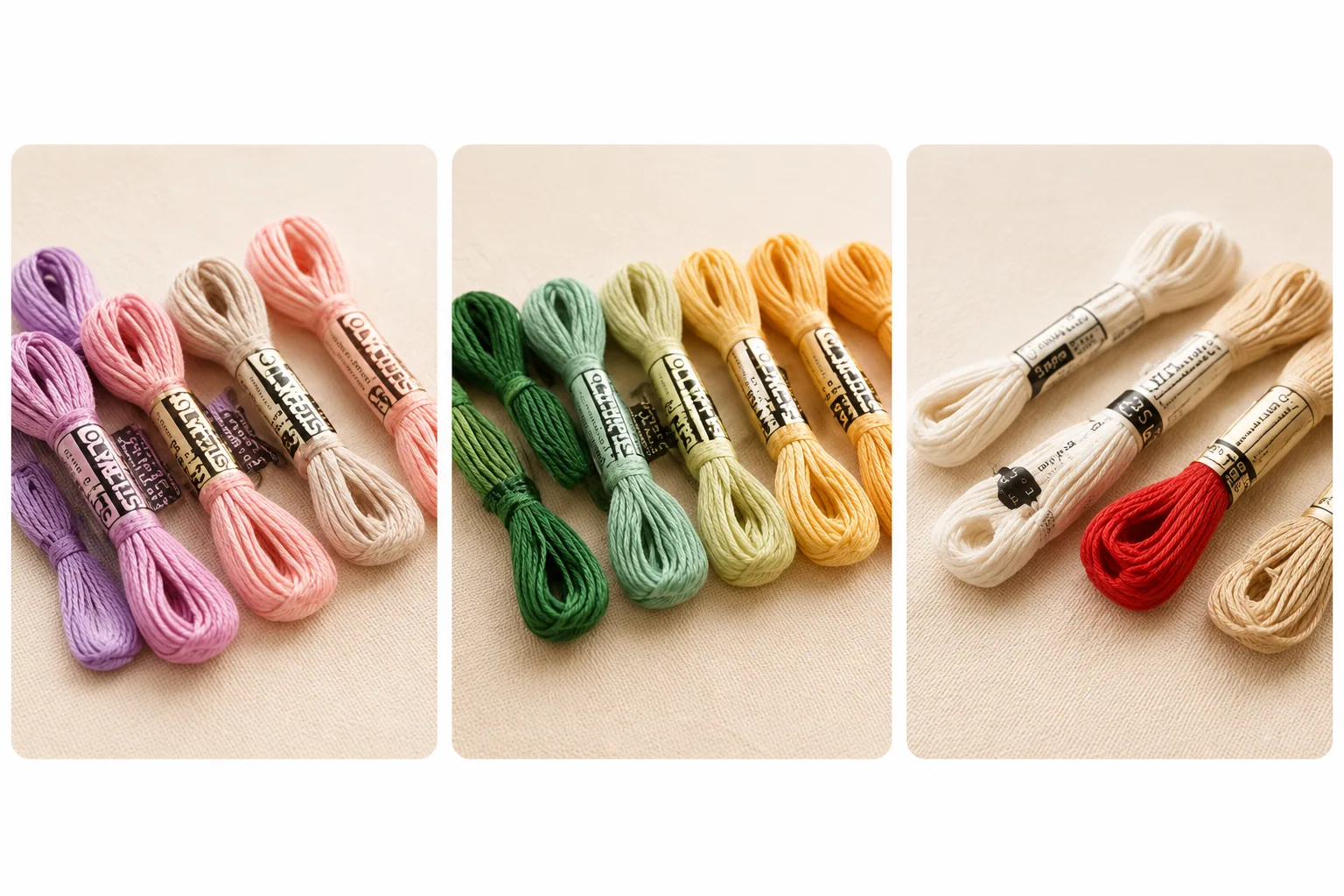
You don't need dozens of colors to get started. Begin with staple neutrals like white, ivory, and black, plus a few of your favorite color shades.
✂️ Caring for Your Embroidery Tools
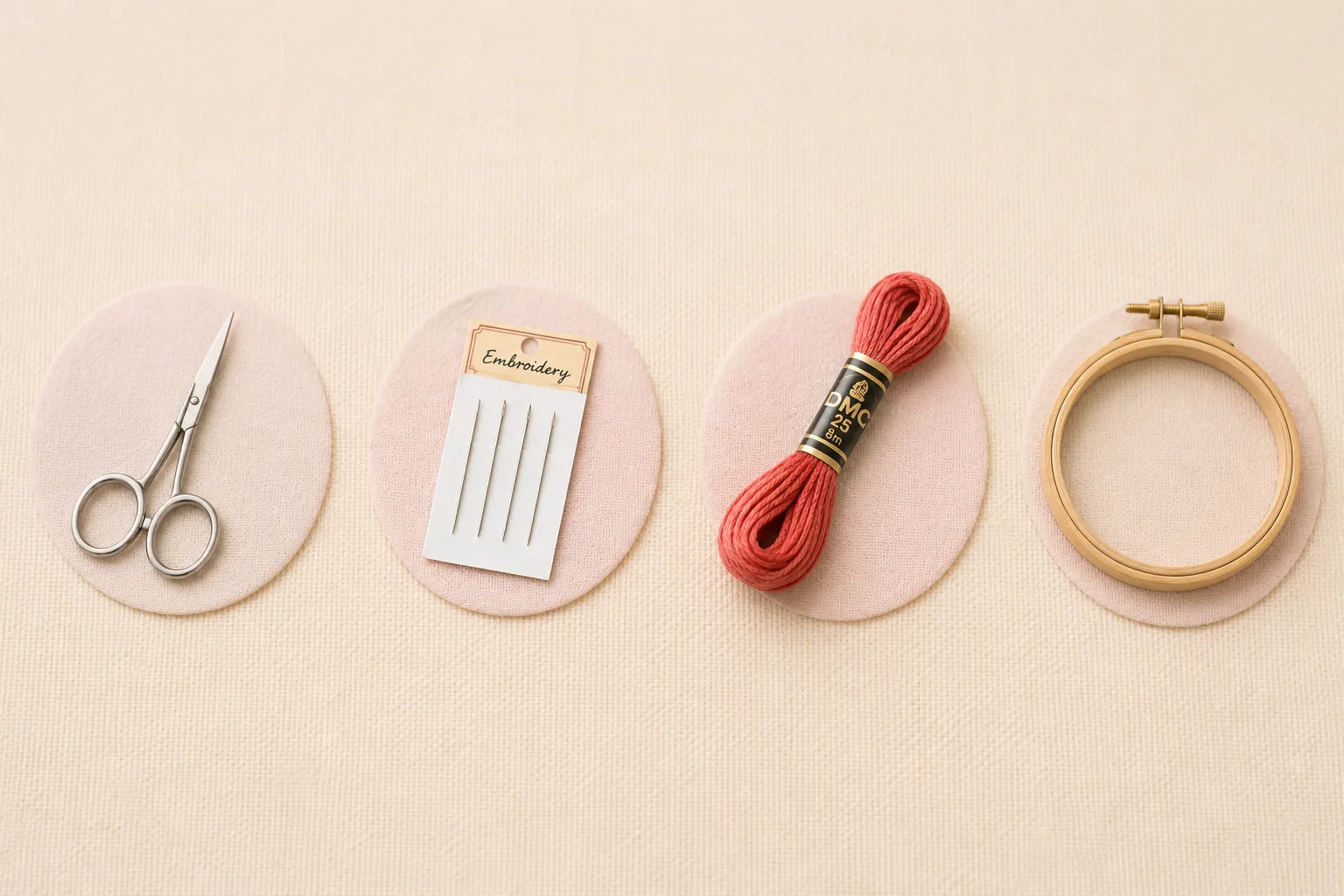
Keep your embroidery scissors strictly for thread, and replace needles before they bend or dull. Store threads away from direct sunlight and moisture, and unclamp embroidery hoops when not in use to preserve their tension.
FAQ
Q1. Do I need to buy expensive high-end tools to get started?
Not at all! Start with affordable basic tools first, and upgrade individual items as you discover which ones you use most.
Q2. Are hand embroidery tools the same as machine embroidery tools?
While a few items overlap, threads, needles, hoops, and stabilizers are specially designed for machine vs. hand techniques.
Q3. Is stabilizer necessary for machine embroidery?
Yes, stabilizer is essential for most machine embroidery to prevent fabric distortion and ensure smooth, even stitching.
Q4. Is a bigger embroidery hoop always better?
Not necessarily. In machine embroidery, using the smallest hoop that safely fits your design provides the best fabric tension and stability.
Q5. What kind of project should a beginner start with?
Start with simple designs like small floral motifs, initials, or line art that use fewer colors and straightforward stitches.