What Is the Difference Between Hand Embroidery and Machine Embroidery?
Hand embroidery and machine embroidery differ in crafting technique, stitching speed, finish, required tools, and purpose. Understanding these key differences will help you easily choose the right embroidery style for your project.
Published: 2026-08-01
Hand Embroidery vs. Machine Embroidery
What’s the Difference?
A Quick Guide to Features, Pros, Cons, and UsesHello! I'm your embroidery studio teacher 😊
When you're first starting out with embroidery, one of the most common questions is: "What's the difference between hand embroidery and machine embroidery, and which one should I learn?"
While both craft forms fall under embroidery, their stitching methods, creative process, finished textures, and best uses are quite distinct. Let's walk through a step-by-step comparison so you can choose the best path for your DIY journey!
Quick Summary
🌸 Hand Embroidery
Stitched slowly and thoughtfully by hand
Delicate details and full creative freedom
Takes time, but offers a cozy handmade touch
Great for enjoying a relaxing craft and savoring unique stitch textures.
🧵 Machine Embroidery
Precision stitching guided by design files and machines
Fast, consistent, and perfectly uniform
Easily handles intricate digital designs
Ideal for rapid production and maintaining identical quality across multiple pieces.
At-a-Glance Comparison
| Category | Hand Embroidery | Machine Embroidery |
|---|---|---|
| Technique | Moving needle and thread manually by hand | Embroidery machine stitches automatically |
| Speed | Slower pace | Fast execution |
| Finish | Handmade warmth & intuitive variations | Precise, crisp, and highly repeatable |
| Design Changes | Easy to tweak on the fly as you stitch | Requires editing digital embroidery files |
| Initial Supplies | Easy start with simple basic tools | Requires a machine, hoop, stabilizer & digital files |
| Best Used For | Hobbies, personalized gifts, one-of-a-kind art | Logos, patches, repeat batches, commercial items |
Neither method is better than the other—it simply comes down to what you want to make!
1. Definitions & Characteristics
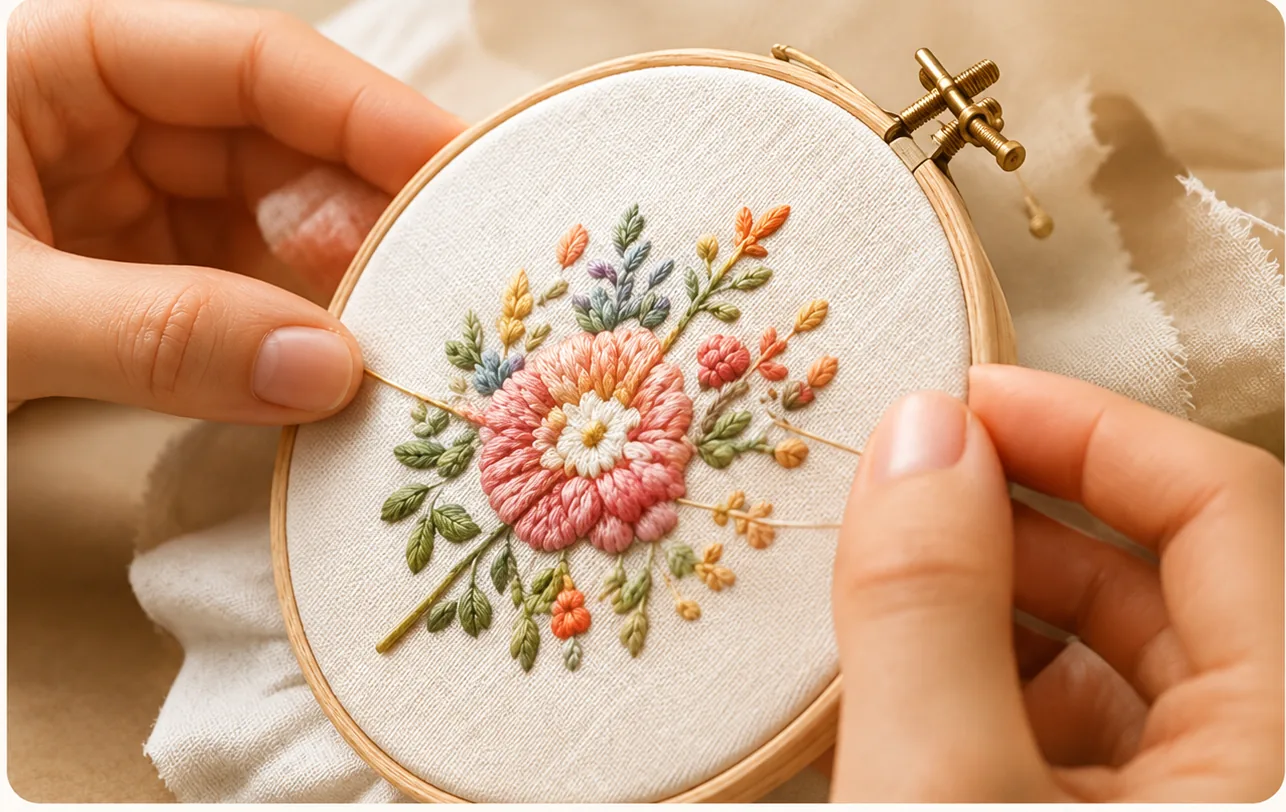
Hand Embroidery
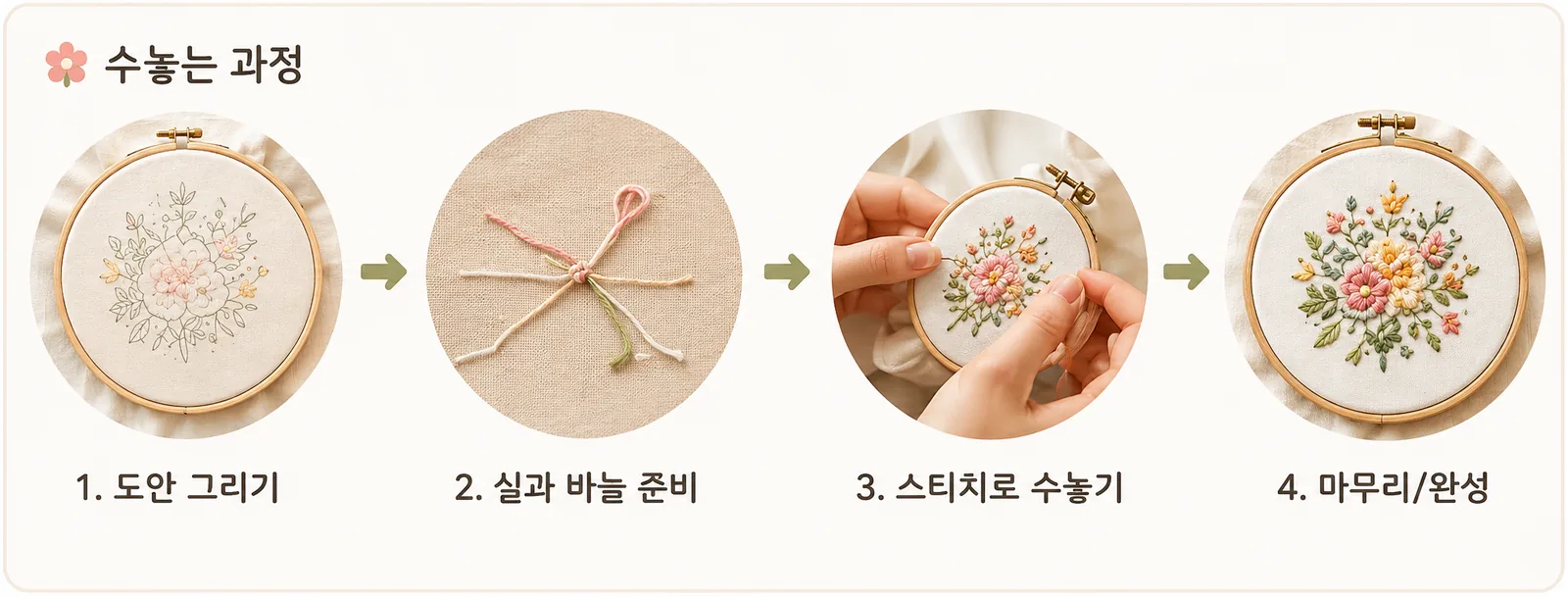
You guide the needle and thread yourself, building each stitch one by one. Starter essentials include an embroidery hoop, needles, embroidery floss, and fabric to practice fundamental hand stitches.
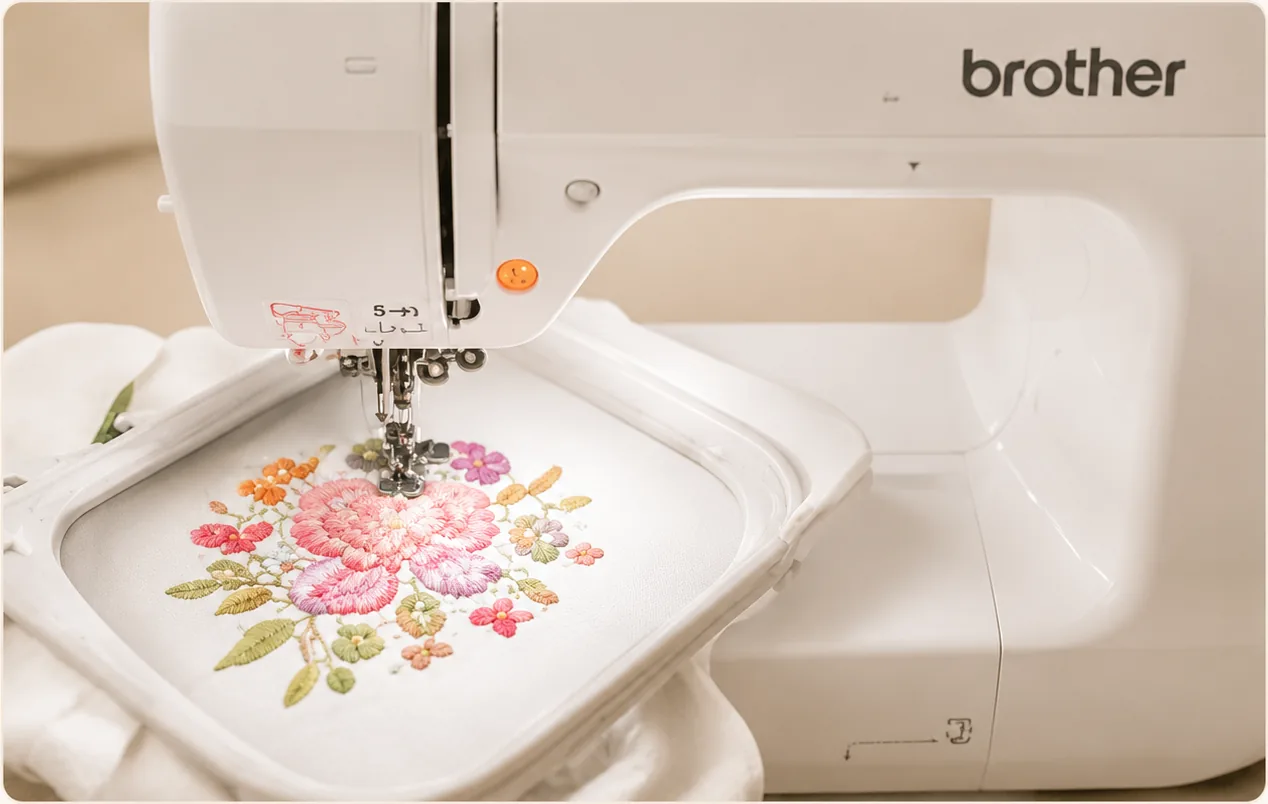
Machine Embroidery
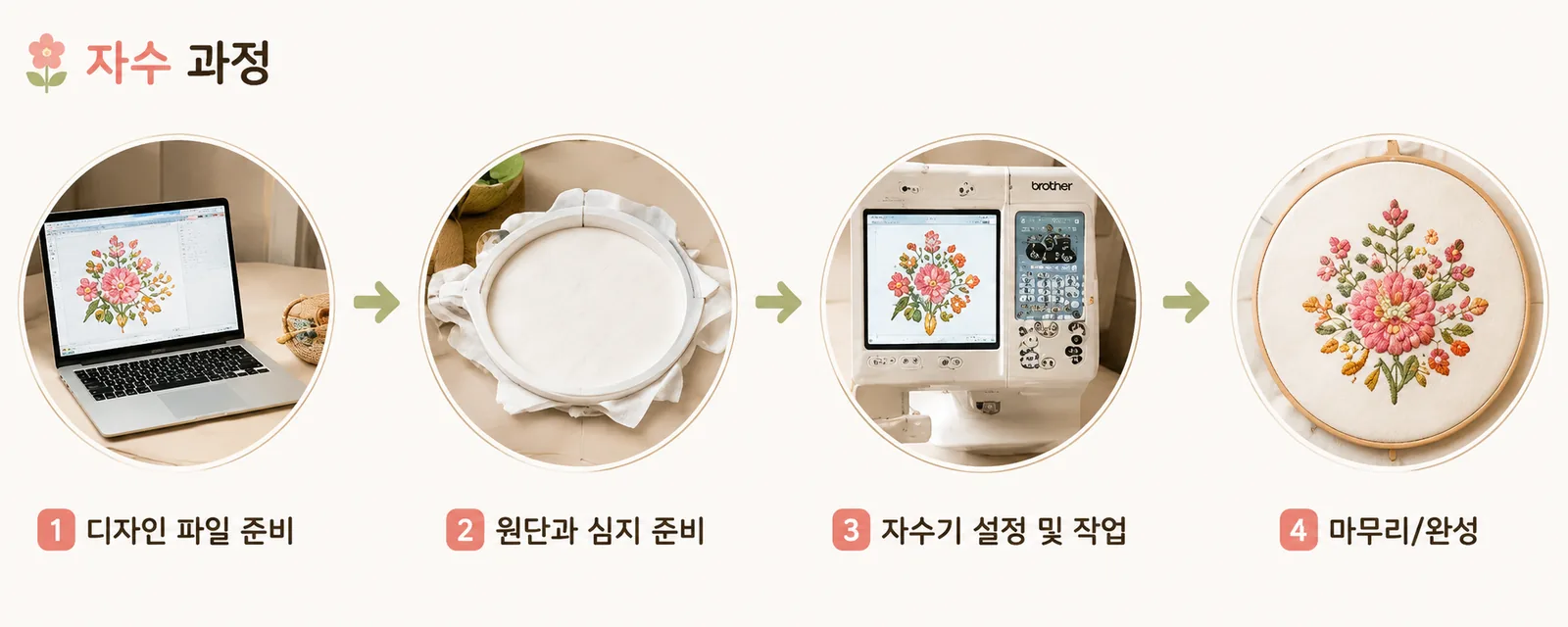
An embroidery machine executes stitches automatically based on digital design data. Proper setup—including hooping, choosing stabilizer, thread, machine needles, and software files like a Free PES File or Free DST File—is essential before stitching.
2. Differences in the Stitching Process
Hand embroidery centers on the personal journey of building stitches by hand, whereas machine embroidery focuses on prepping digital Machine Embroidery Pattern files and hooping fabric so the machine can execute the pattern flawlessly.
3. Pros & Cons Comparison
Hand Embroidery Pros
- Rich, artistic handmade texture
- Easy to modify design choices on the fly
- Low initial equipment cost
Cons
- Can be time-intensive
- Final look varies with individual stitching skill
- Not suitable for fast mass production
Machine Embroidery Pros
- Fast and uniform stitch results
- Excels at complex, repeatable patterns
- Great for creating physical goods and batch projects
Cons
- Requires investment in an embroidery machine and software
- Requires understanding stabilizer backings, hooping, and digital formats
- Design changes require digitizing software edits
You don't have to pick just one! Many makers combine both techniques—using hand embroidery for cozy personal accents and machine embroidery for fast, batch-produced items.
4. Which Embroidery Style Fits Your Project?
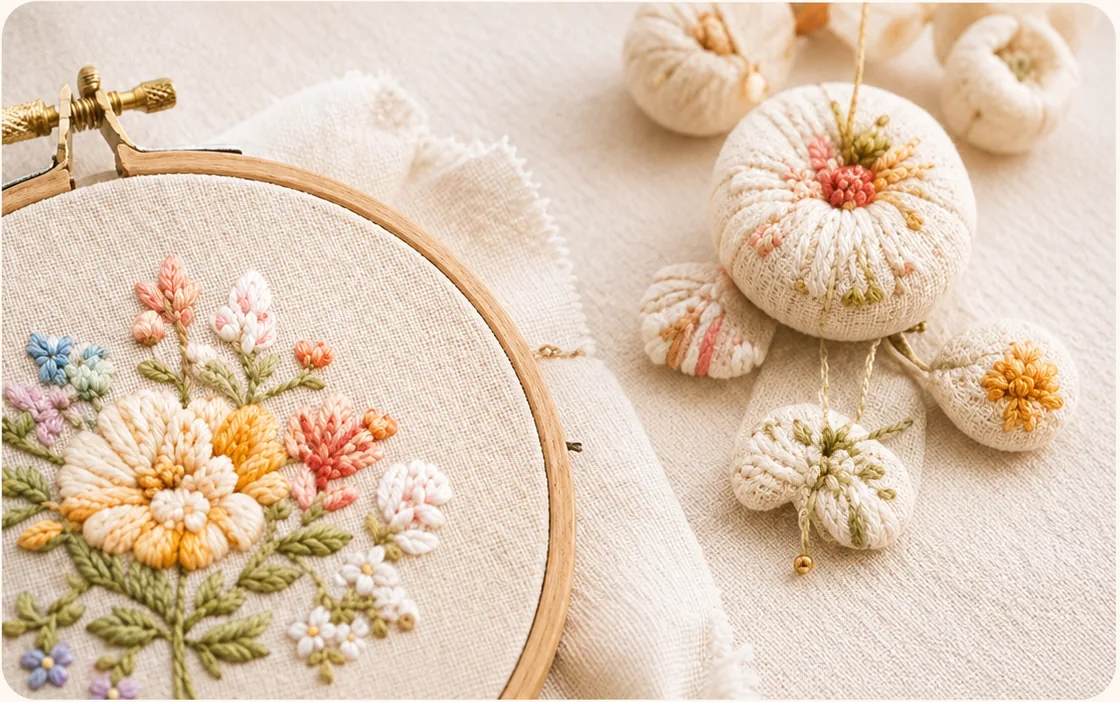
Choose Hand Embroidery When:
- Your primary goal is a relaxing craft hobby
- You're making a unique, personalized gift or art piece
- You love tactile stitch textures and handcraft charm
- You enjoy spontaneous creative choices as you sew
Choose Machine Embroidery When:
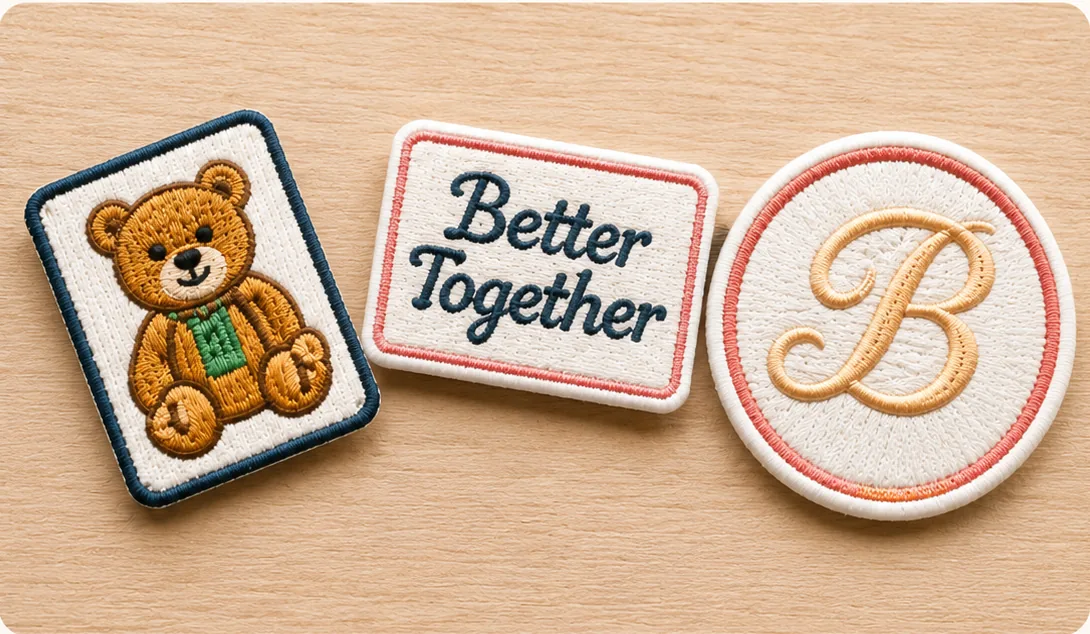
- You need to reproduce logos, patches, or monograms repeatedly
- You want consistent, identical quality across multiple items
- You want to finish complex patterns quickly
- You are crafting goods, merchandise, or gifts for sale
5. What Is Crucial for Machine Embroidery?
Stabilizer backing and proper hooping directly determine your results. Stabilizer acts as the essential foundation in machine embroidery, supporting fabric and preventing puckering under dense stitch counts. Depending on your fabric type and stitch density, you'll select cut-away, tear-away, or wash-away stabilizer. Using the smallest hoop that accommodates your design also helps maintain perfect fabric tension for crisp stitch placement.
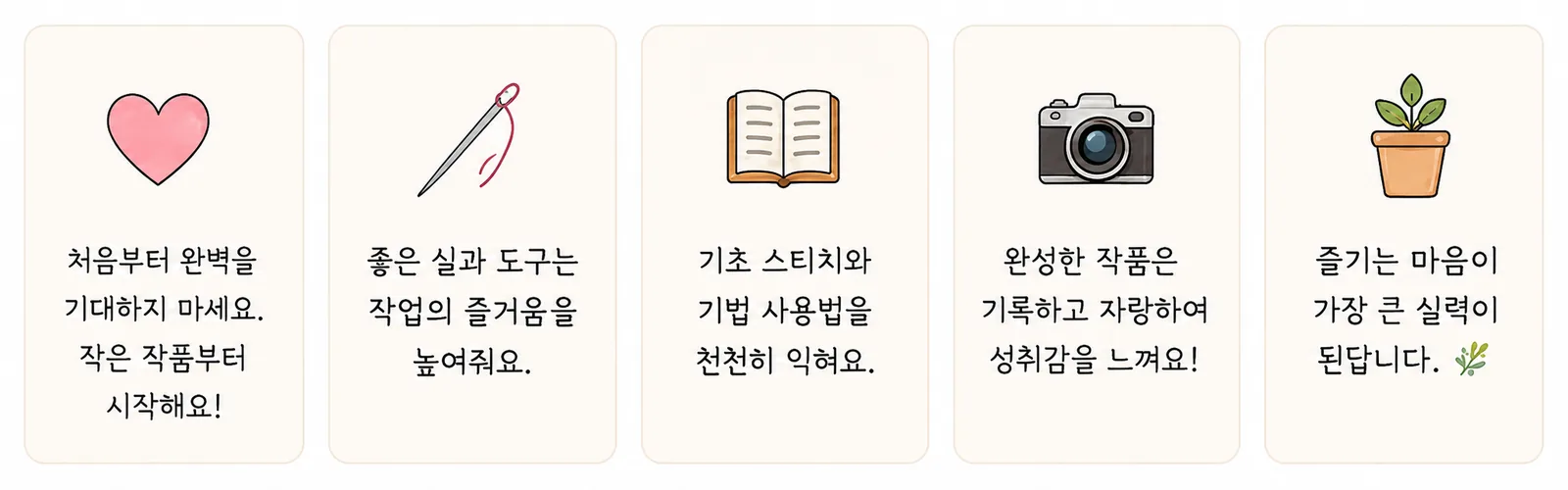
6. Tips for Enjoying Embroidery Even More
FAQ
Q1. Which is easier for beginners: hand embroidery or machine embroidery?
Hand embroidery requires minimal supplies, making it very straightforward to pick up needles and start learning basic stitches. Machine embroidery involves learning machine setup, proper hooping, and stabilizer selection, but makes repeating intricate designs effortless once mastered.
Q2. What basic equipment do I need for machine embroidery?
You will need an embroidery machine, compatible hoops, embroidery thread and bobbin thread, machine needles, stabilizer backing, and digital files (such as a Free Embroidery Design in PES or DST format).
Q3. How do the costs compare between hand and machine embroidery?
Hand embroidery requires only modest costs for basic tools like needles, hoops, and thread. Machine embroidery requires a larger upfront investment for the embroidery machine, specialized tools, and design software.
Q4. Is it okay to learn both hand and machine embroidery together?
Yes! Hand embroidery deepens your understanding of stitch structures and fabric textures, while machine embroidery gives you speed and precision for larger or repeated projects—they complement each other beautifully.
Q5. Which method is better for making items to sell?
Hand embroidery is wonderful for selling unique, high-value handcrafted art. If you plan to make items that require identical logos, patches, or monogramming, machine embroidery is far more practical and efficient.