Essential Embroidery Terminology for Beginners Before You Start
An easy, step-by-step introductory guide to essential embroidery terms every beginner needs to know before starting hand or machine embroidery.
Published: 2026-08-01
Before You Start Embroidery
Essential Terms
You Need to Know
The more you know, the more delightful embroidery becomesHello! I'm your embroidery studio teacher 😊
When you first step into the world of embroidery, all the unfamiliar jargon can feel a bit overwhelming. That's why I've gathered and clearly explained the most essential basic terms for both hand embroidery and machine embroidery today.
1. Types of Embroidery
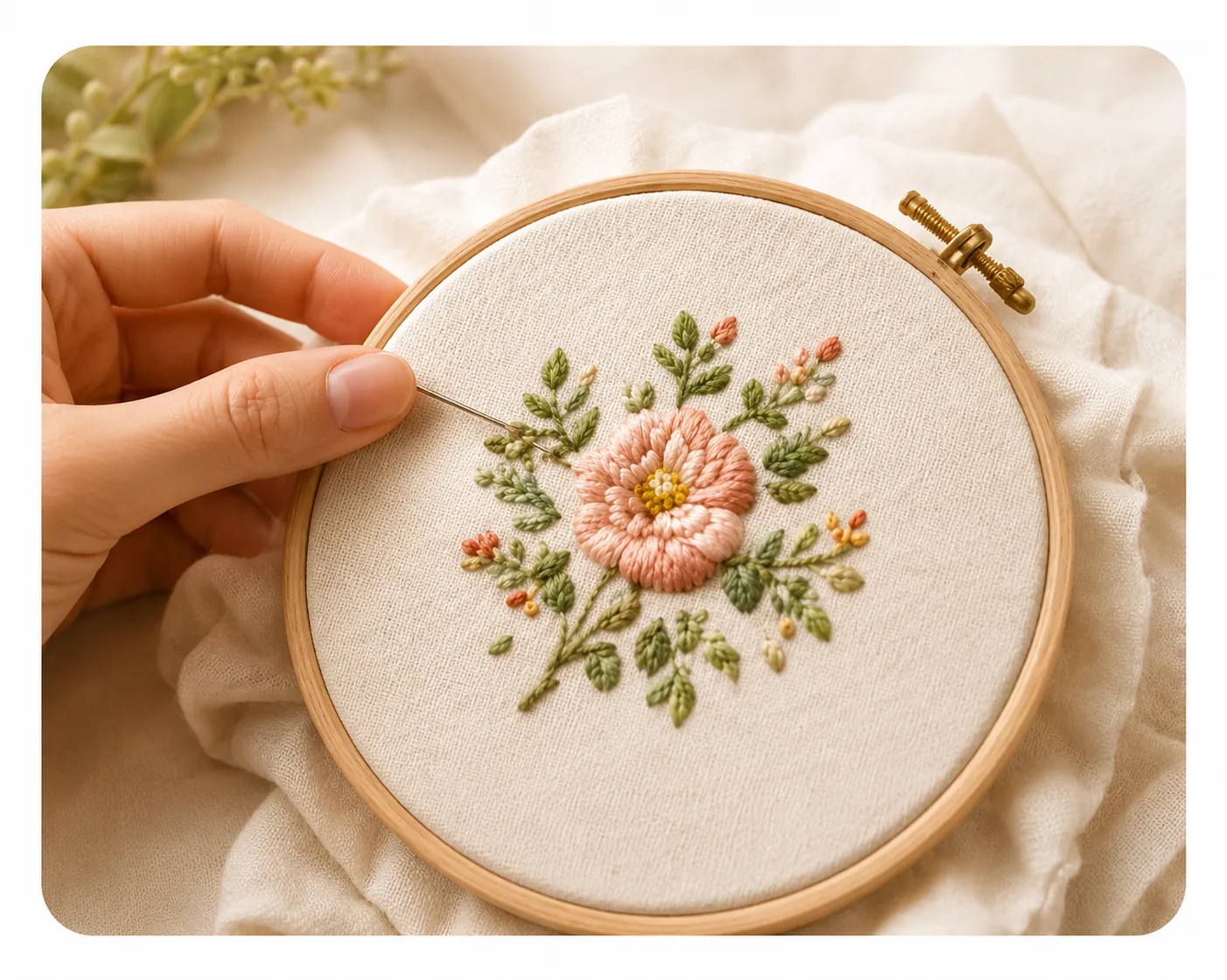
Hand Embroidery
Embroidery created stitch by stitch using a hand needle and thread. You can freely combine various stitches for unique designs.
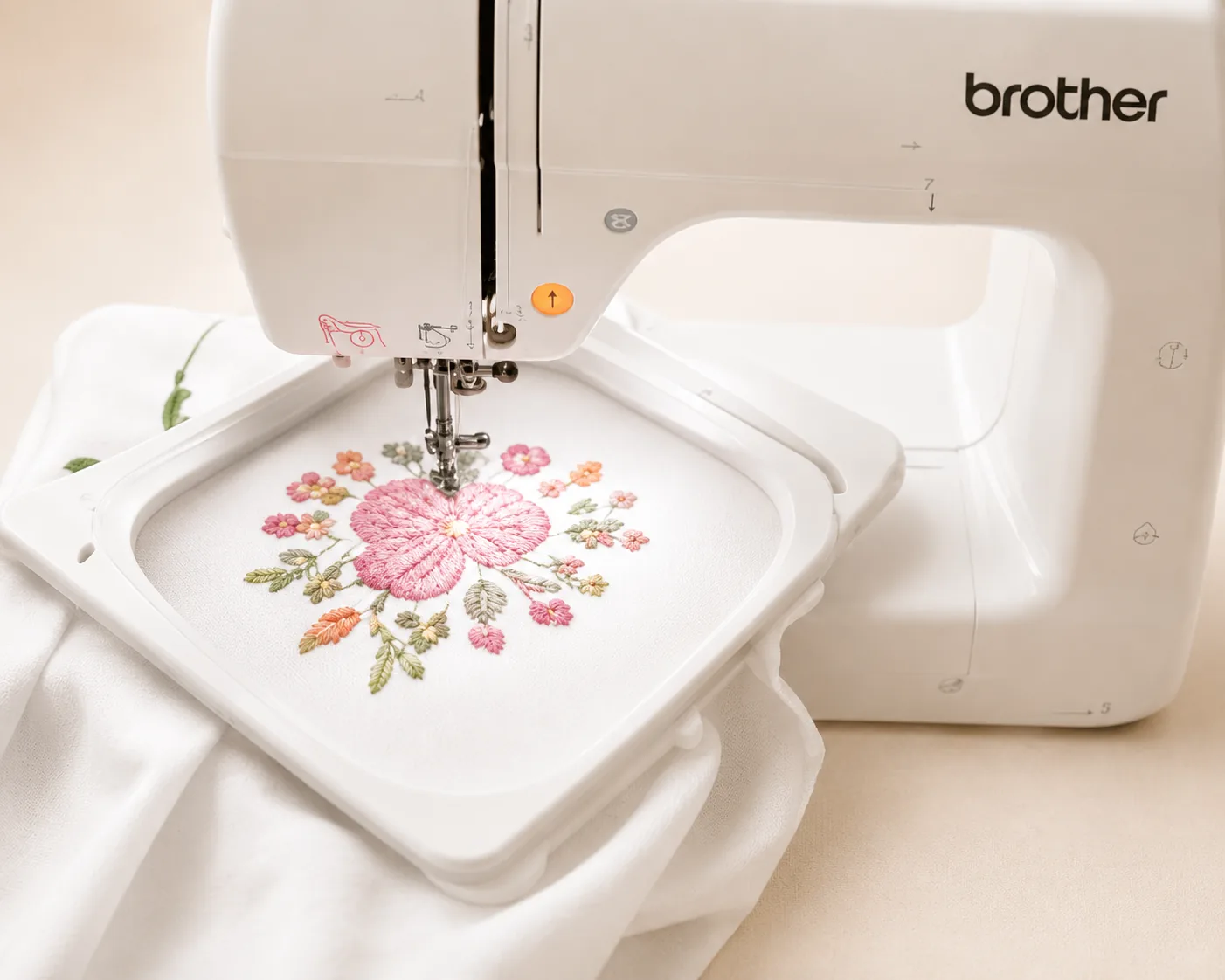
Machine Embroidery
Embroidery formed automatically using an embroidery machine and digital design data. It excels at consistent, repeatable production.
2. Embroidery File Terms
- Embroidery File (Design) — A data file storing stitch information so an embroidery machine can read and stitch out a Machine Embroidery Pattern.
- PES — A widely used Free PES File format compatible with Brother embroidery machines.
- DST — A popular industry stitch data format originally developed by Tajima (often downloaded as a Free DST File).
- JEF — The primary embroidery format used by Janome embroidery machines.
- EXP — A stitch format used in select commercial and home embroidery systems.
- Stitch Count — The total number of needle stitches required to complete a design.
- Color Stop / Color Change — Designated points during stitching where thread color changes occur.
3. Embroidery Material Terms
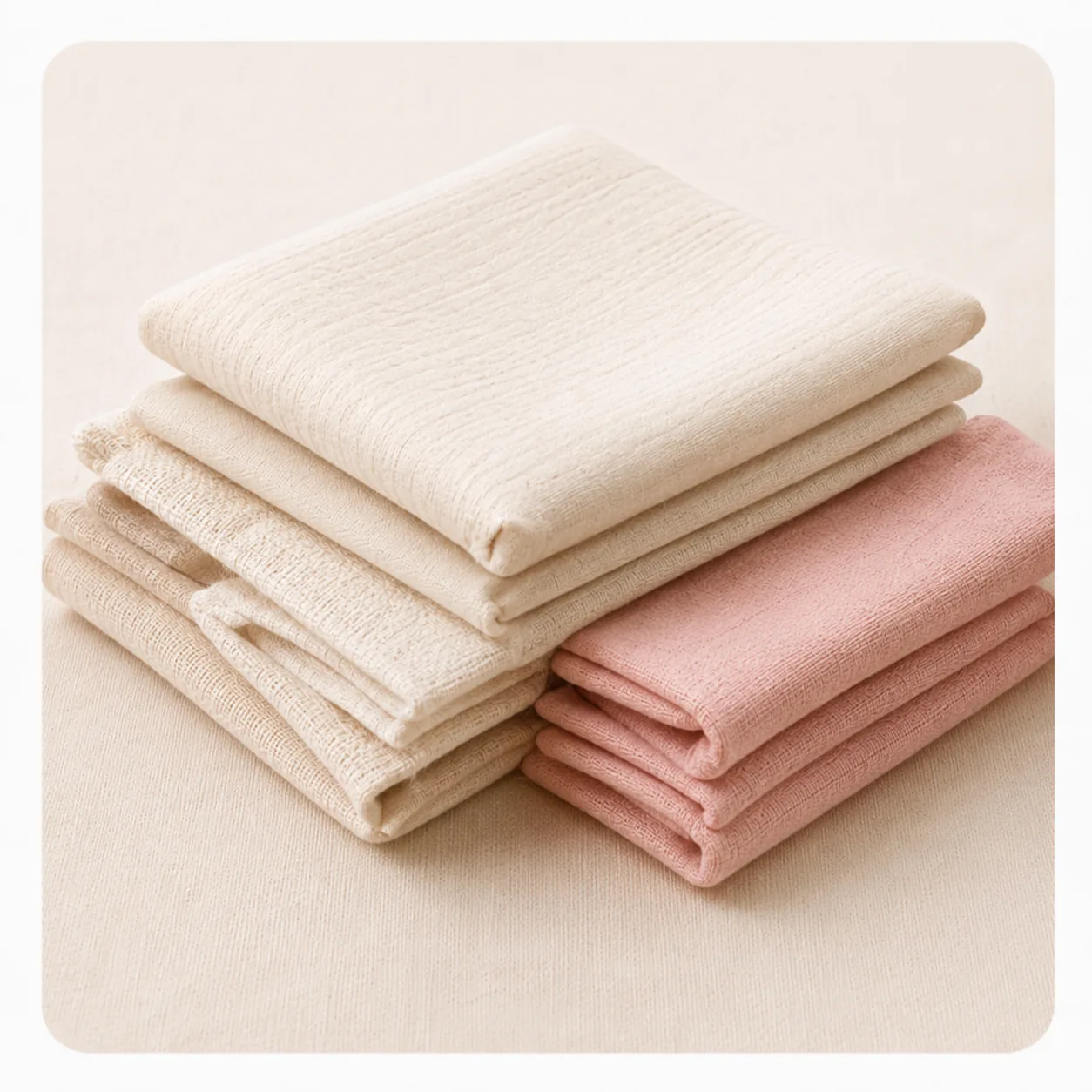
Fabric
The base fabric for your embroidery. Your choice of fabric determines the stabilizer and needle type needed.
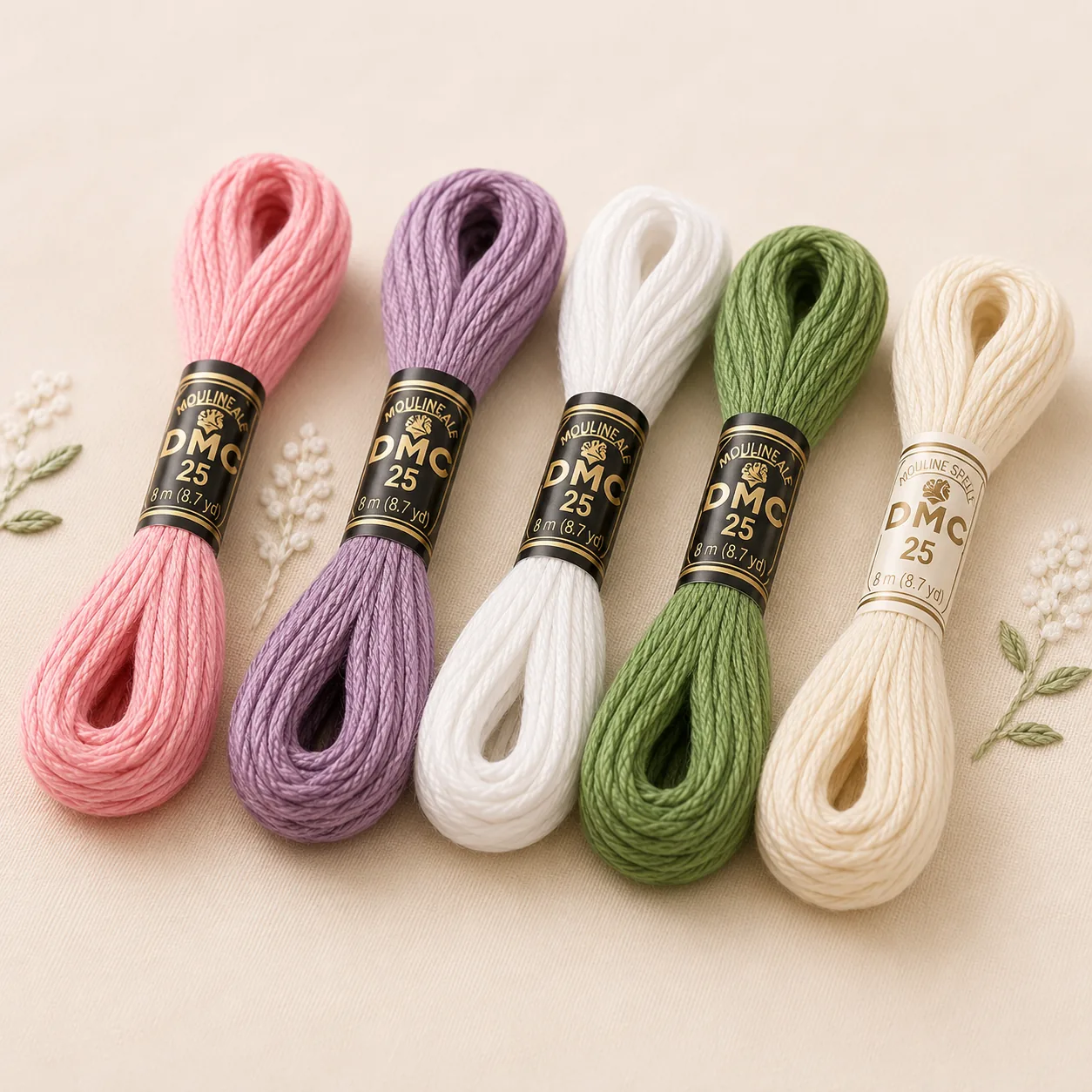
Embroidery Thread
Specialized thread for stitching. Hand embroidery and machine embroidery threads differ in structure and purpose.
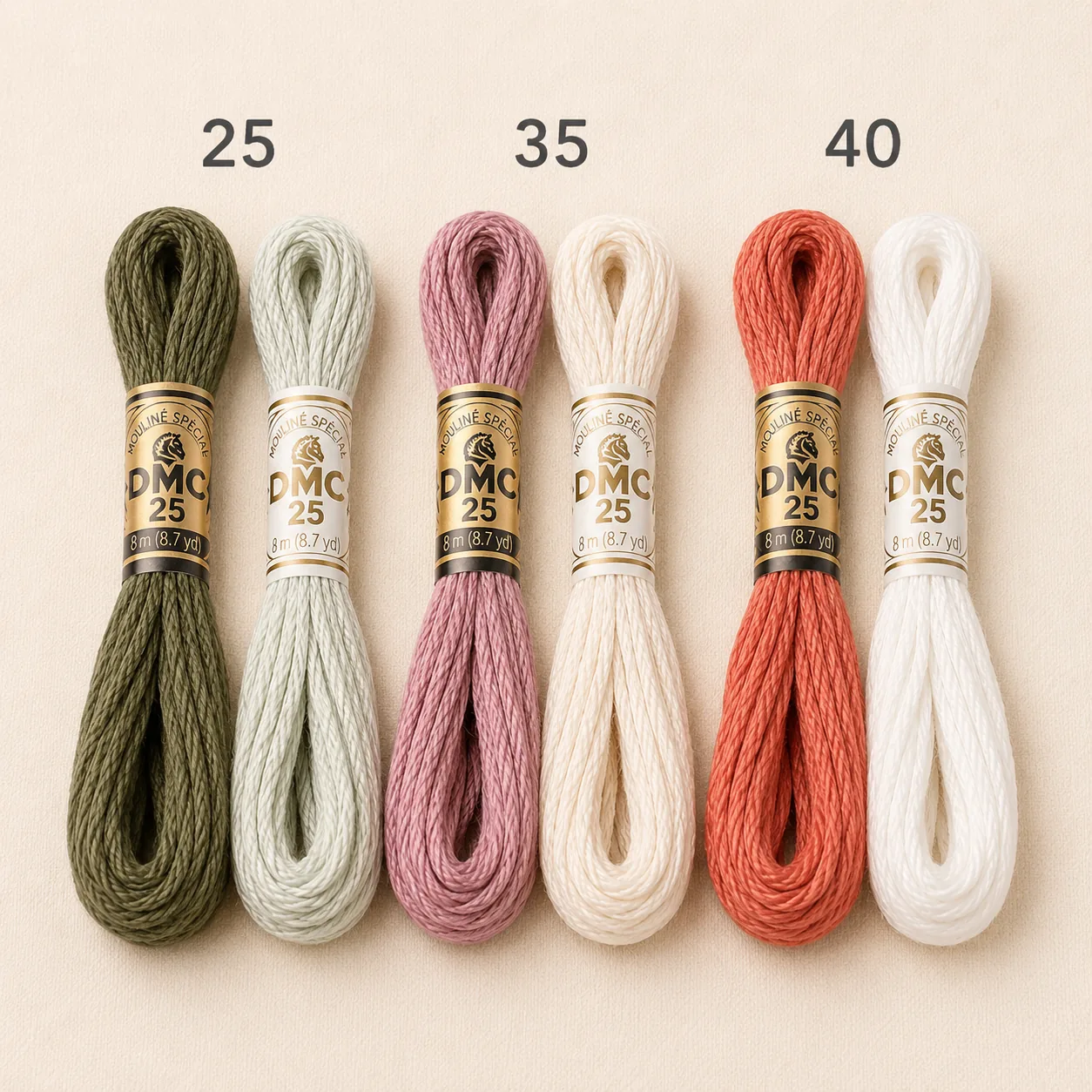
Thread Weight
The thickness rating of thread. 40wt thread is a standard standard in machine embroidery.
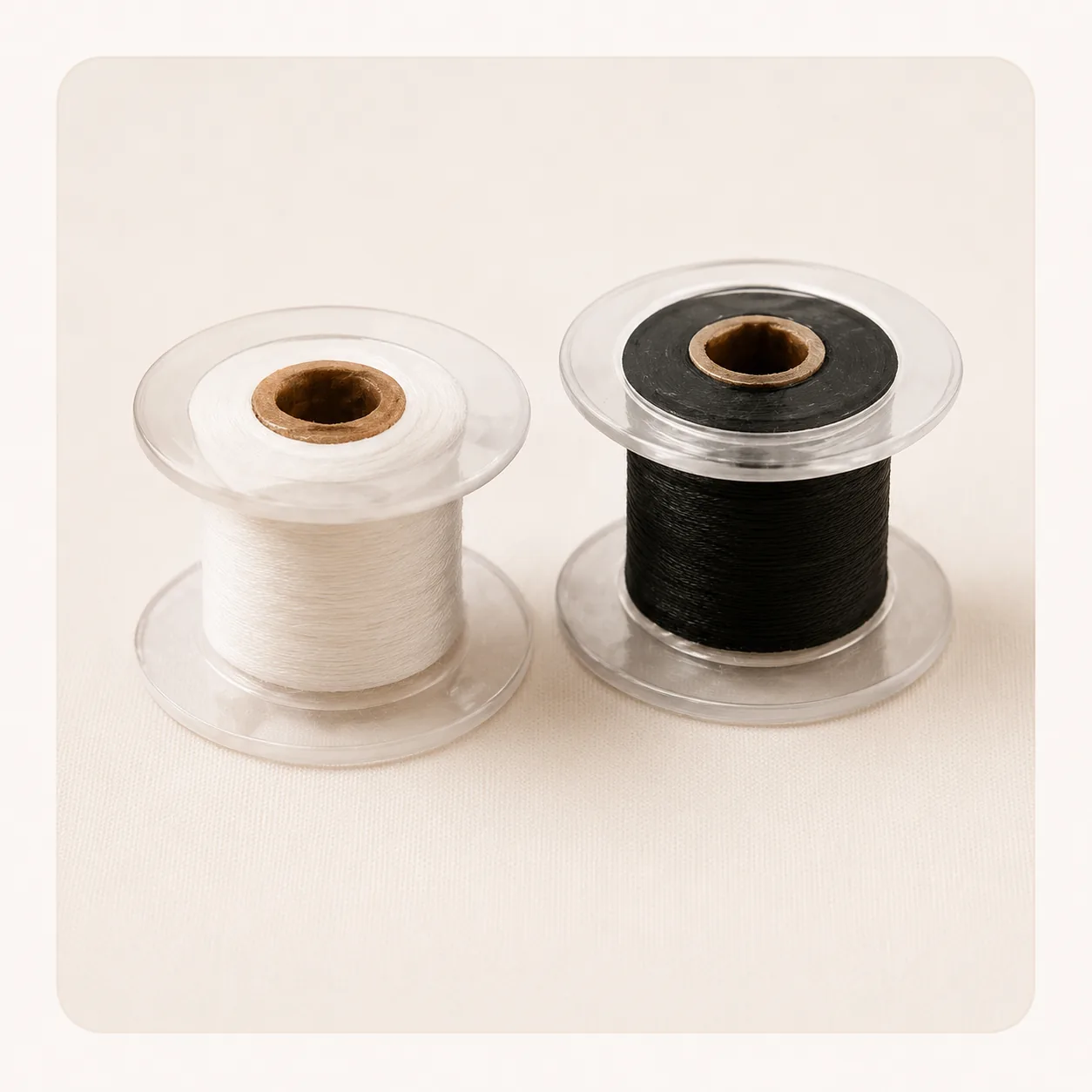
Bobbin Thread
The lower thread used in machine embroidery. Be sure to use the recommended weight for your machine model.
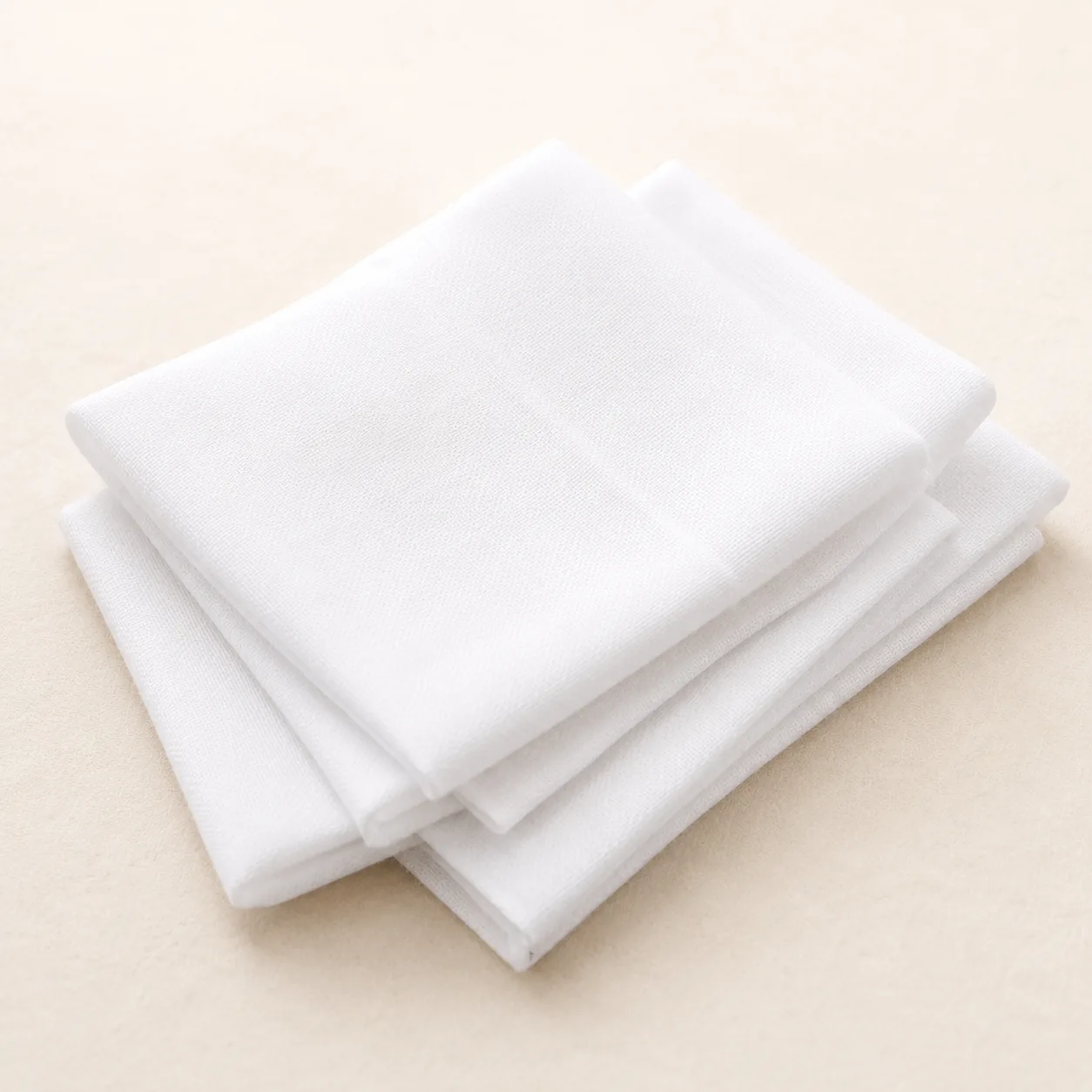
Stabilizer
A supporting material used in machine embroidery to prevent fabric from stretching or shifting while stitching.
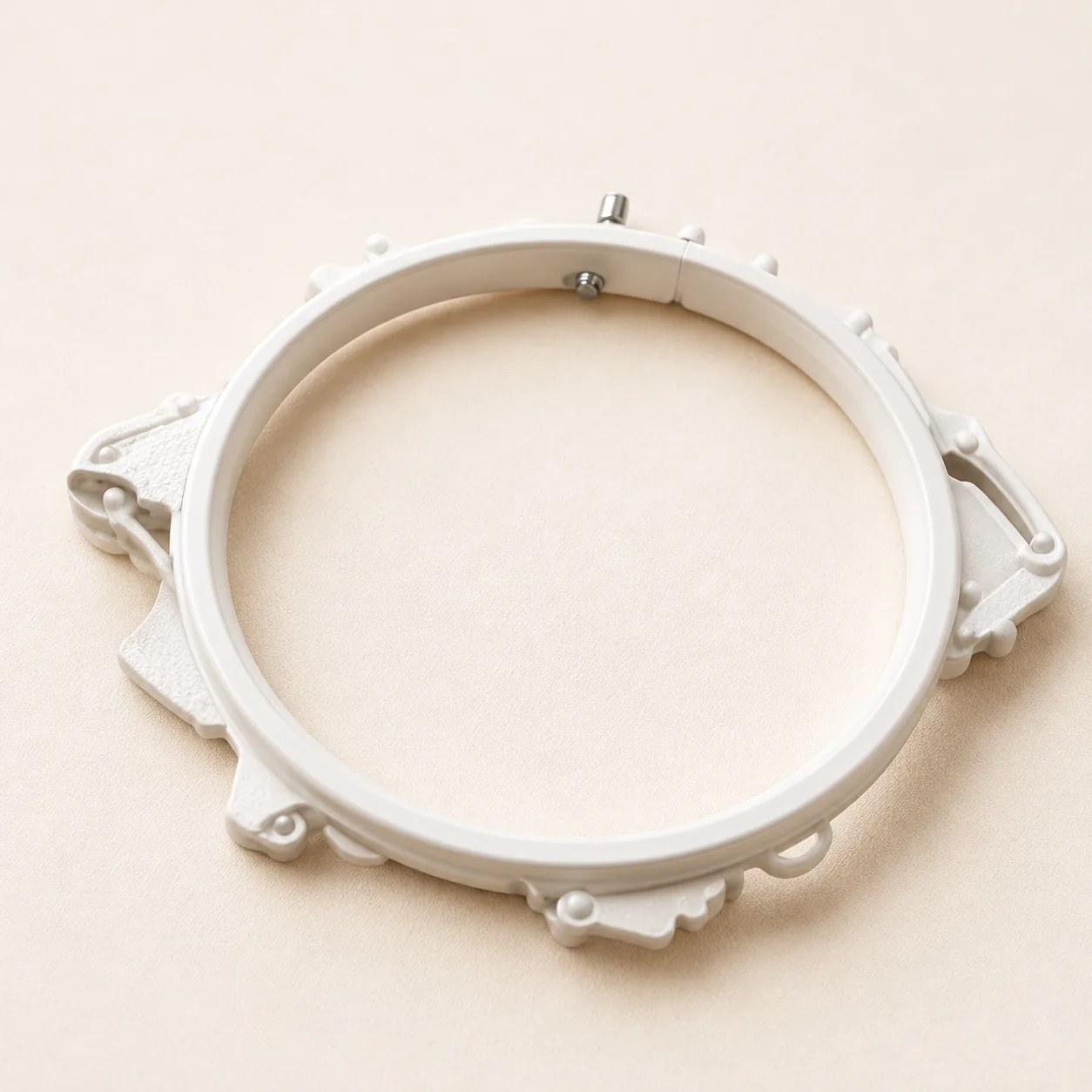
Hoop
A frame that holds fabric and stabilizer taut so the machine can stitch smoothly and evenly.
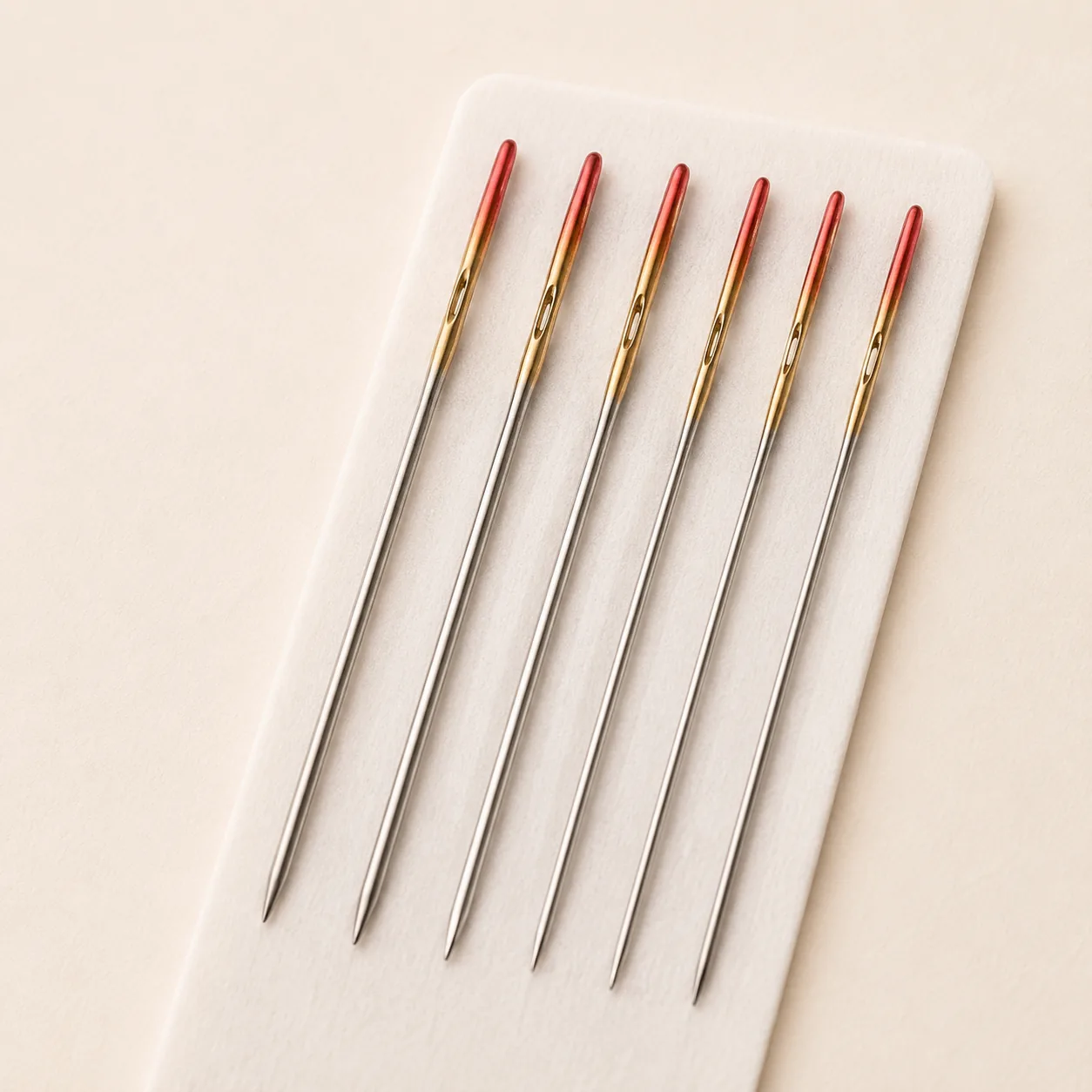
Needle
Selecting the right needle size for your fabric, thread, and machine prevents thread breakage and fabric damage.
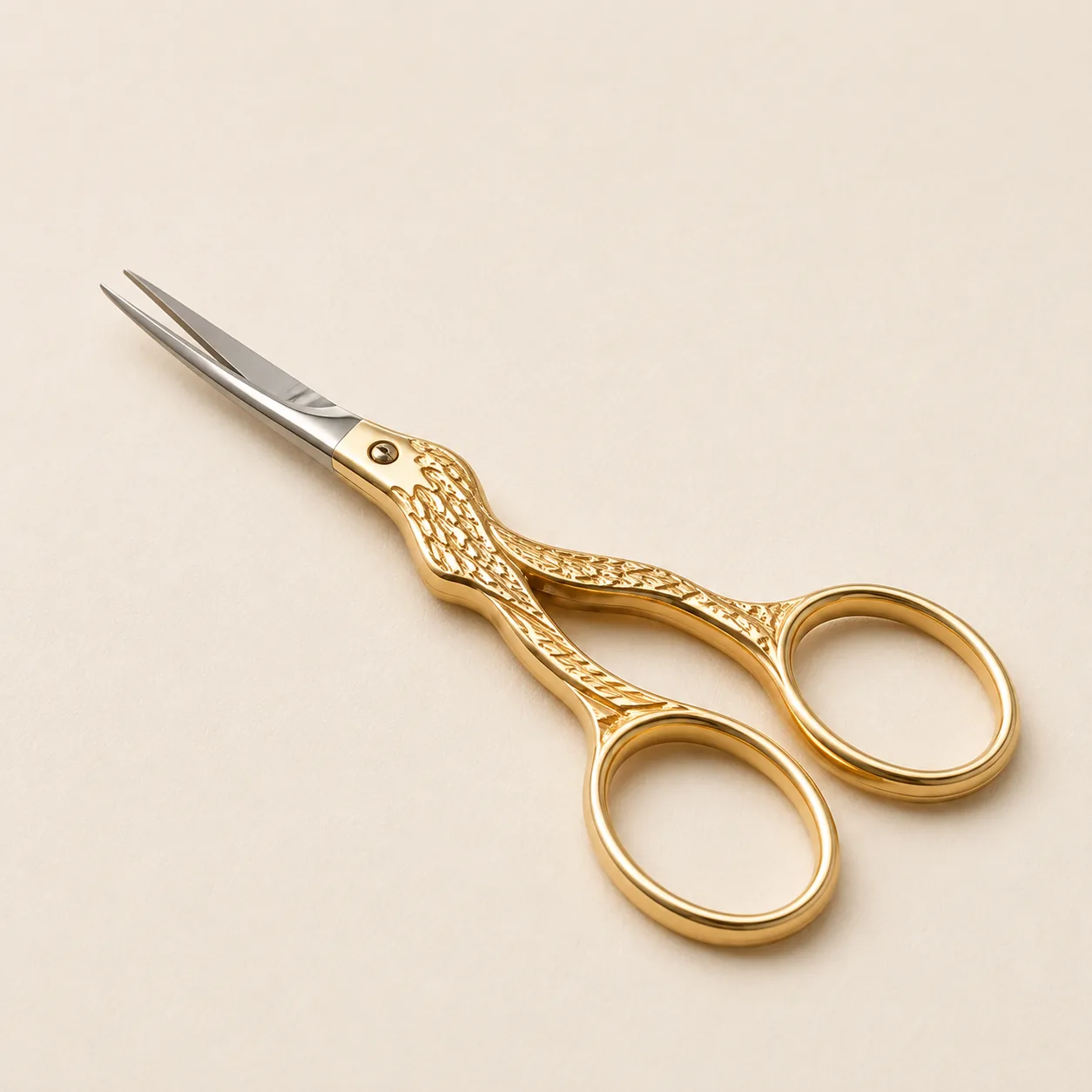
Scissors
Small, precise embroidery scissors make trimming thread tails and jump stitches easy.
4. Embroidery Stitch Terms
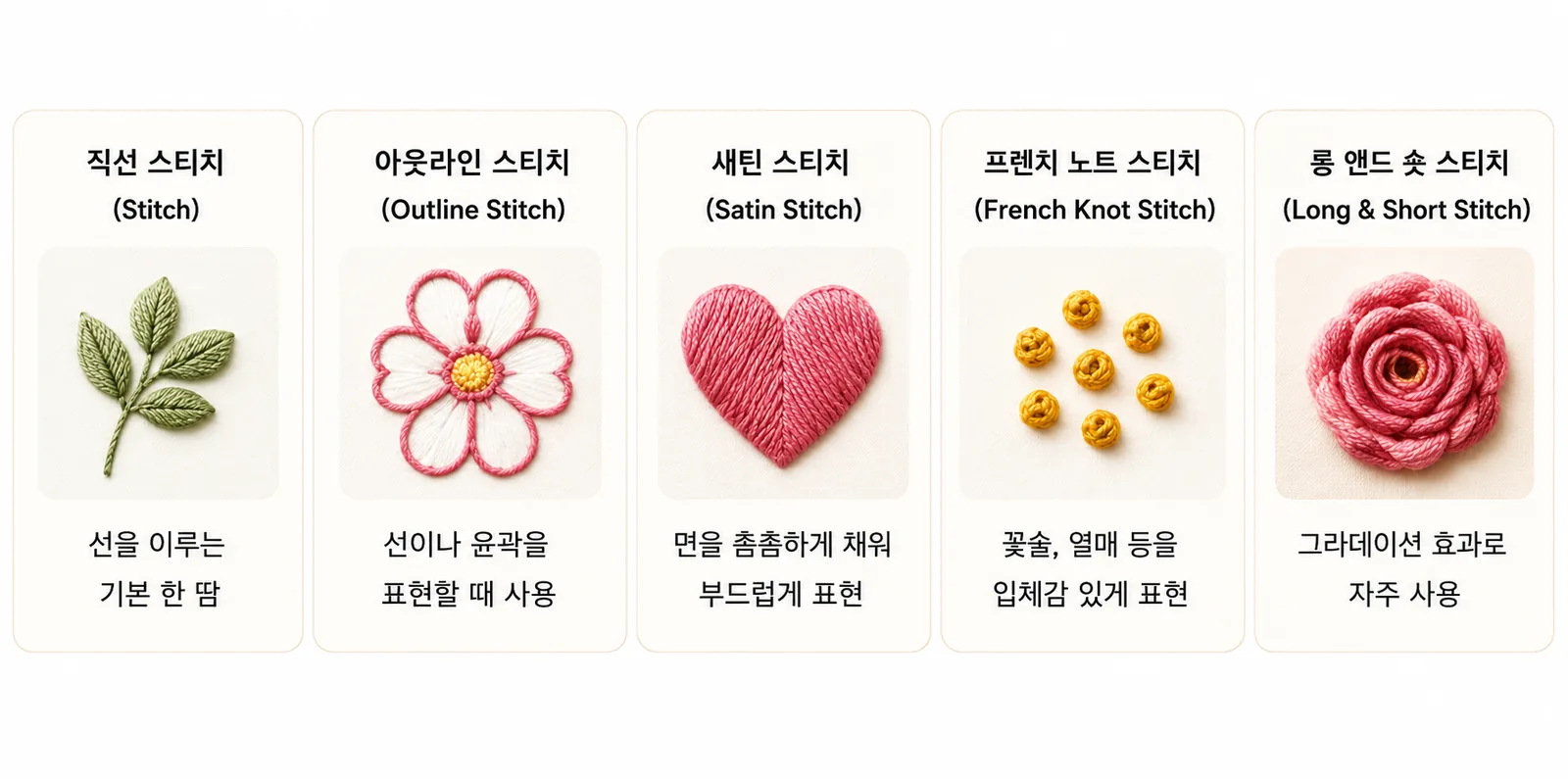
- Stitch — An individual needle pass or stitch technique forming the embroidery pattern.
- Outline / Line Stitch — Stitches used for outlining shapes or stitching thin lines.
- Satin Stitch — Dense, parallel stitches creating a smooth, shiny fill over narrow areas.
- French Knot — A hand embroidery stitch where thread is wrapped around the needle to form a tiny raised bead.
- Long & Short Stitch — A hand stitch blending alternating stitch lengths for shaded color gradients and fills.
5. Machine Embroidery Workflow Terms
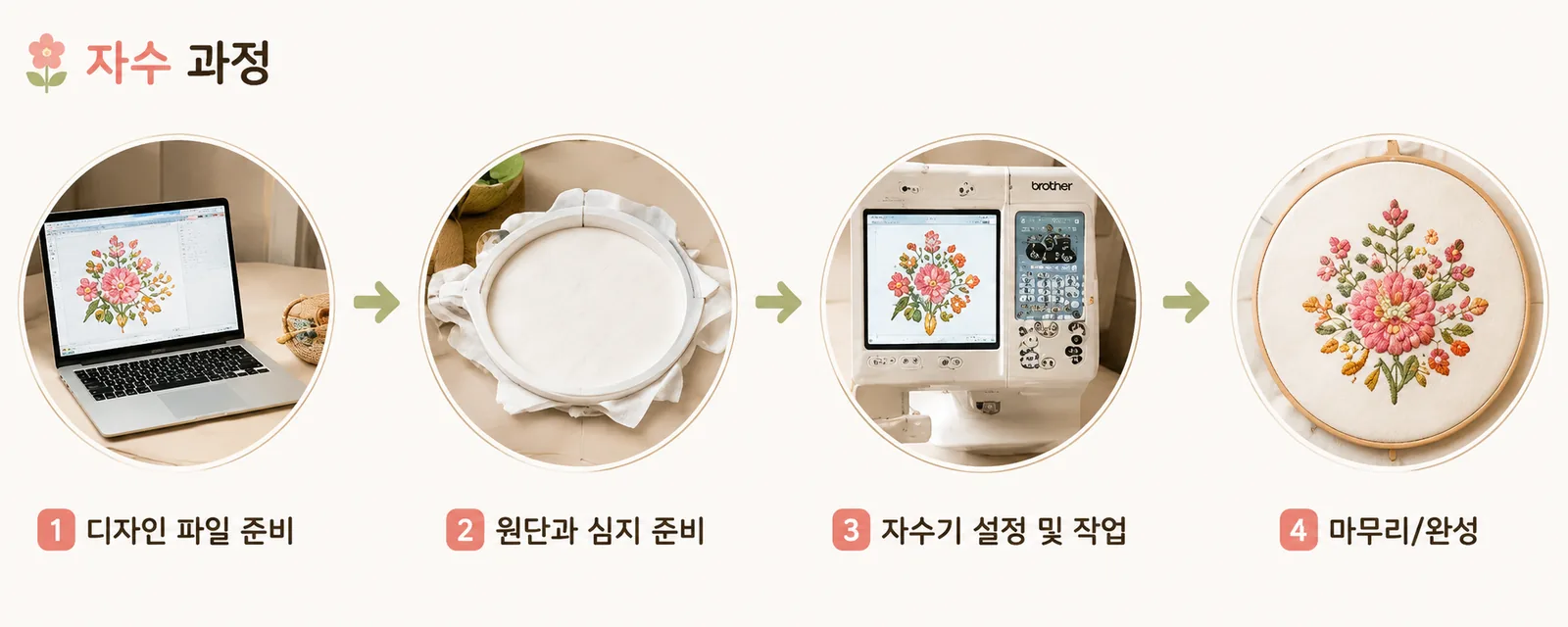
Don't worry about memorizing every term right away! It's much easier to learn them in sequence along your workflow: Hooping → Stitching → Finishing.
6. Terminology At-a-Glance Comparison
| Category | Hand Embroidery | Machine Embroidery |
|---|---|---|
| Work Method | Stitched directly by hand | Automated stitch-outs by machine |
| Design Source | Stitched freely while following a pattern | Requires a machine embroidery file |
| Core Materials | Fabric, thread, hand needle, embroidery hoop | Fabric, embroidery thread, bobbin thread, stabilizer, hoop |
| Key Terms | Stitch, strand count, hoop | Hooping, stabilizer, stitch count, file formats |
7. 5 Key Tips for Embroidery Beginners
8. Frequently Asked Questions (FAQ)
Q1. Which is easier: hand embroidery or machine embroidery?
Hand embroidery requires simple supplies but takes manual needlework practice, while machine embroidery involves learning your machine's setup, hooping, and file settings.
Q2. How is embroidery thread different from regular sewing thread?
They differ in weight, sheen, strength, and purpose. Machine embroidery especially requires thread and bobbin thread designed for high-speed machine stitching.
Q3. What thread weight is recommended for beginners?
Standard 40wt thread is the most common starting point for machine embroidery. Always check your machine manual and design instructions!
Q4. Where can I find embroidery design files?
You can download a Free Embroidery Design or purchase machine embroidery pattern files online, as long as they match your machine's file format.
Q5. Do I always need to use stabilizer?
Yes, stabilizer is essential in machine embroidery to maintain fabric stability and achieve crisp, clean stitch quality.